Whether it's a faded dealer sticker, a cracked old business logo on a work van, or a wall decal that's outstayed its welcome, removing vinyl is mostly about patience. Pull it off cold and fast and you'll get a hundred little fragments, sticky residue and possibly lifted paint. Warm it gently and peel slowly and most decals come away in one piece. This guide covers paint, glass and walls.
Low heat
Softens adhesive
Never scorch the paint
Plastic
Blades for paint
Metal only on plain glass
SDS
Read before solvents
Safe Work Australia
Why old decals are hard to remove
Vinyl ages, especially in strong sun. ARPANSA notes UV levels in Australia are high, and over years UV makes vinyl brittle and cracked while the adhesive hardens or bonds more strongly to the surface. That's why a two-year-old decal often peels off in a single sheet, while a ten-year-old one breaks into fragments. Cheaper calendered vinyl and paper stickers are usually harder to remove than quality cast vinyl designed for removal.
Tools and materials
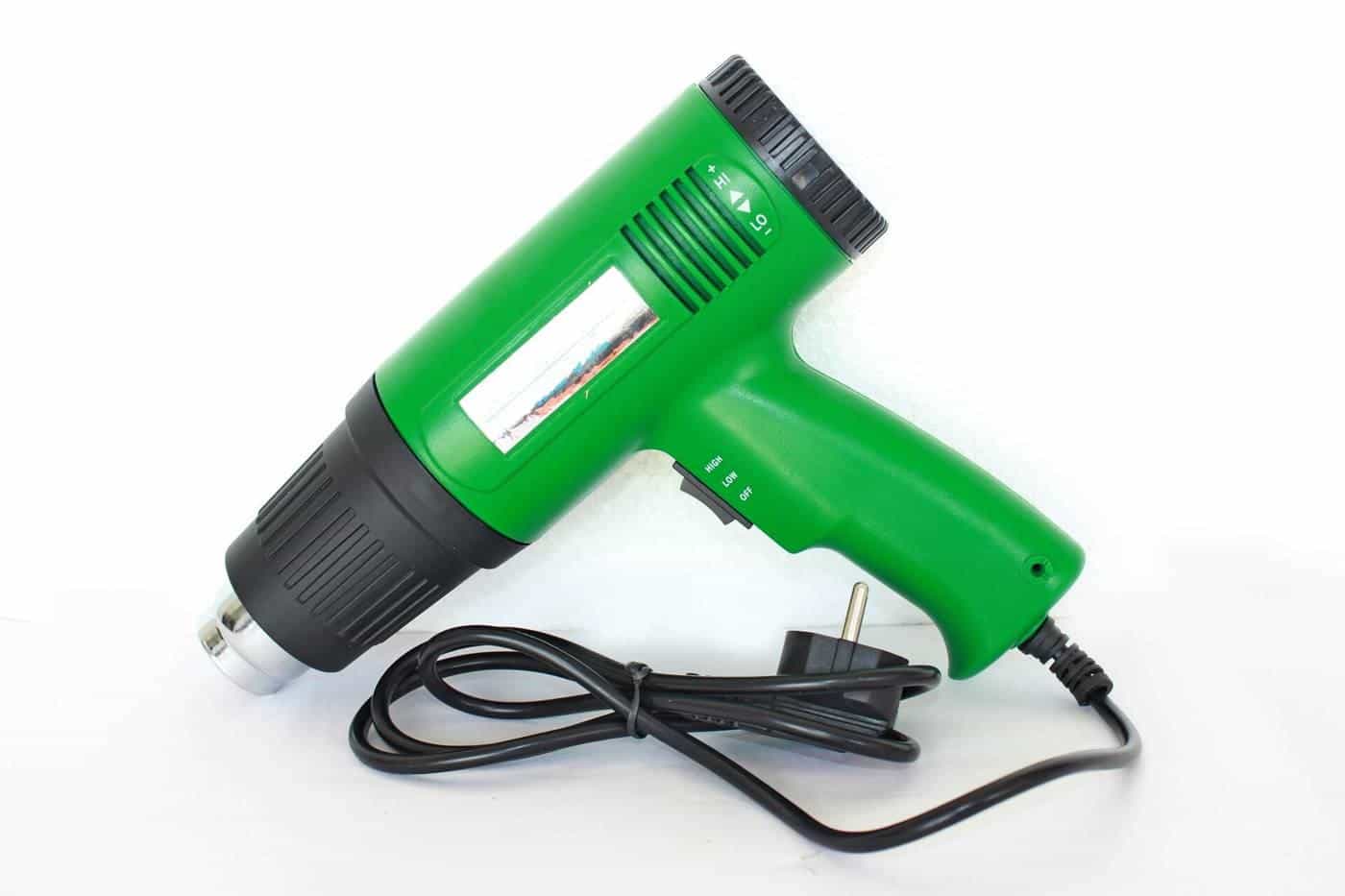
- hair dryer, or a heat gun on its lowest setting;
- plastic razor blades or a plastic scraper;
- a rubber "eraser" wheel for a drill, for large areas of old vinyl (use with care);
- a residue remover suited to the surface;
- isopropyl alcohol;
- soft microfibre cloths;
- car wash and polish, or a wall cleaner, for finishing;
- gloves and eye protection when using heat tools and chemicals.
Before you start
- Check the surface. On a car, look for chipped, flaking or resprayed paint. Repainted panels can be less robust, and paint may come off with the vinyl. On walls, older or poorly prepared paint may lift.
- Wash the area. Dirt in the edges acts like sandpaper when you start scraping.
- Work in the shade. It's easier to control heat on a cool panel.
- Read the labels. Safe Work Australia explains that safety data sheets set out a chemical's hazards and safe handling. Read the label and SDS of any remover before you use it, and work in a well-ventilated area.
Removing vinyl from car paint
- Warm the decal. Hold a hair dryer or heat gun on a low setting several centimetres from the vinyl, moving constantly. You want the vinyl warm to the touch, not hot. Too much heat can damage paint, plastic trim and clear coats.
- Lift an edge. Use a fingernail or a plastic blade to lift a corner.
- Peel slowly and low. Fold the vinyl back on itself and pull at a low angle, close to the surface, keeping it warm as you go. Slow and steady leaves less adhesive behind.
- Re-warm as needed. If the vinyl starts tearing, stop, warm it again and continue.
- Deal with fragments. For brittle, cracked vinyl, a rubber eraser wheel on a drill can remove it, but it generates heat and can burn through paint if held in one spot. Keep it moving at moderate speed, and if you're unsure, leave it to a professional.
Removing adhesive residue
Most decals leave some adhesive behind.
- Apply a residue remover suited to automotive paint to a cloth, not directly on the panel, and test on a hidden area first.
- Let it soak for the time the label recommends.
- Wipe gently with a microfibre cloth, folding to a clean side often.
- Finish with isopropyl alcohol to remove any oily film, then wash the area.
- Polish and wax to restore protection.
Avoid harsh solvents not meant for paint, and don't use abrasive pads or scourers.
The "ghost" outline
When you remove a decal that's been on for years, you may see its outline. The paint that was covered has been protected from UV and weather, while the surrounding paint has faded or collected grime. Washing and a light polish often reduce the difference. Sometimes a machine polish or cut by a detailer is needed, and in some cases the colour difference is permanent. If you're removing a business logo, consider whether a new decal could cover the area.
Removing stickers from glass
Glass is the easiest surface, as long as you protect what's around it.
- Warm the sticker and peel as above.
- On plain glass, a sharp metal razor blade held almost flat can scrape off stubborn residue. Keep the glass wet with soapy water to help the blade glide.
- Don't use a metal blade on window tint film, rear windscreen demister lines, or any coating. On these, use only gentle heat, fingers, plastic blades and a residue remover safe for the surface.
- Clean with glass cleaner.
Registration and parking permit stickers on windscreens can be particularly stubborn. Warmth and patience work best.
Removing decals from walls
Wall decals are usually made with removable adhesives, but walls vary.
- Warm the decal with a hair dryer.
- Peel slowly at a very low angle, close to the wall.
- If paint starts to lift, stop, warm again and peel even more slowly.
- Remove residue with a little warm soapy water on a soft cloth. Test any remover in a hidden spot.
Be prepared to touch up paint, especially on freshly painted or poorly prepared walls.
Removing business graphics from vans and trucks
Large fleet graphics take time. Work panel by panel, keep the vinyl warm and peel slowly. If you plan to sell the vehicle or return a leased one, factor in time or a professional's fee for removal and polishing. Some graphics are made with removable films designed to come off cleanly during a set number of years; ask the installer what was used.
When to call a professional
Consider a professional if:
- the vinyl is very old, cracked and breaking into tiny fragments;
- the paint is resprayed, chipped or fragile;
- the decal is over window tint;
- you're removing a full wrap or large fleet graphics;
- you're not confident using heat tools.
A professional detailer or sign business has the tools and experience to minimise damage.
Safety
- Heat guns get very hot: keep them moving, keep them away from plastics and flammable materials, and let them cool on a stand.
- Wear gloves and eye protection when scraping and using chemicals.
- Ventilate when using solvents and follow the label and safety data sheet.
- Dispose of used cloths and vinyl responsibly.
After removal
Wash the area, check for residue in the light, and apply a fresh coat of wax or sealant to bare paint.
Take your time on the final clean; any remaining adhesive will attract dirt.
Key points
- Warm the vinyl gently and peel slowly at a low angle.
- Use plastic blades on paint; metal blades only on plain glass.
- Test residue removers in a hidden spot and read the safety information.
- Old decals can leave a ghost outline that polishing may reduce.
- Get professional help for fragile paint, tint and large graphics.
Frequently asked questions
What's the safest way to remove a car decal?
Warm the vinyl gently with a hair dryer or heat gun on a low setting, lift an edge with a plastic blade or fingernail, and peel slowly at a low angle. Then remove any residue with a product suited to automotive paint.
Will removing a decal damage my paint?
It can if the paint is already weak, or if you use metal blades, harsh solvents or too much heat. Old decals can also leave a 'ghost' outline, because the paint under them has faded less than the paint around them.
How do I remove sticker residue?
Use a residue remover suited to the surface, applied with a soft cloth, and test it in an inconspicuous spot first. Read the product label and safety data sheet before use.
Can I use a razor blade?
On glass, a sharp blade held flat can remove stickers, but avoid it on tinted film, defroster lines and any painted or plastic surface. Plastic blades are safer on paint.
How do I remove a decal from a painted wall?
Warm it gently with a hair dryer and peel slowly at a low angle, close to the wall. Removable wall vinyls are designed to come off, but paint that's poorly bonded can still lift.
Sources and further reading
Facts on this page were checked against these primary and official sources. Conditions change — confirm before you travel or buy.
- Safety data sheets — Safe Work Australia
- Hazardous chemicals — Safe Work Australia
- The sun and UV — ARPANSA