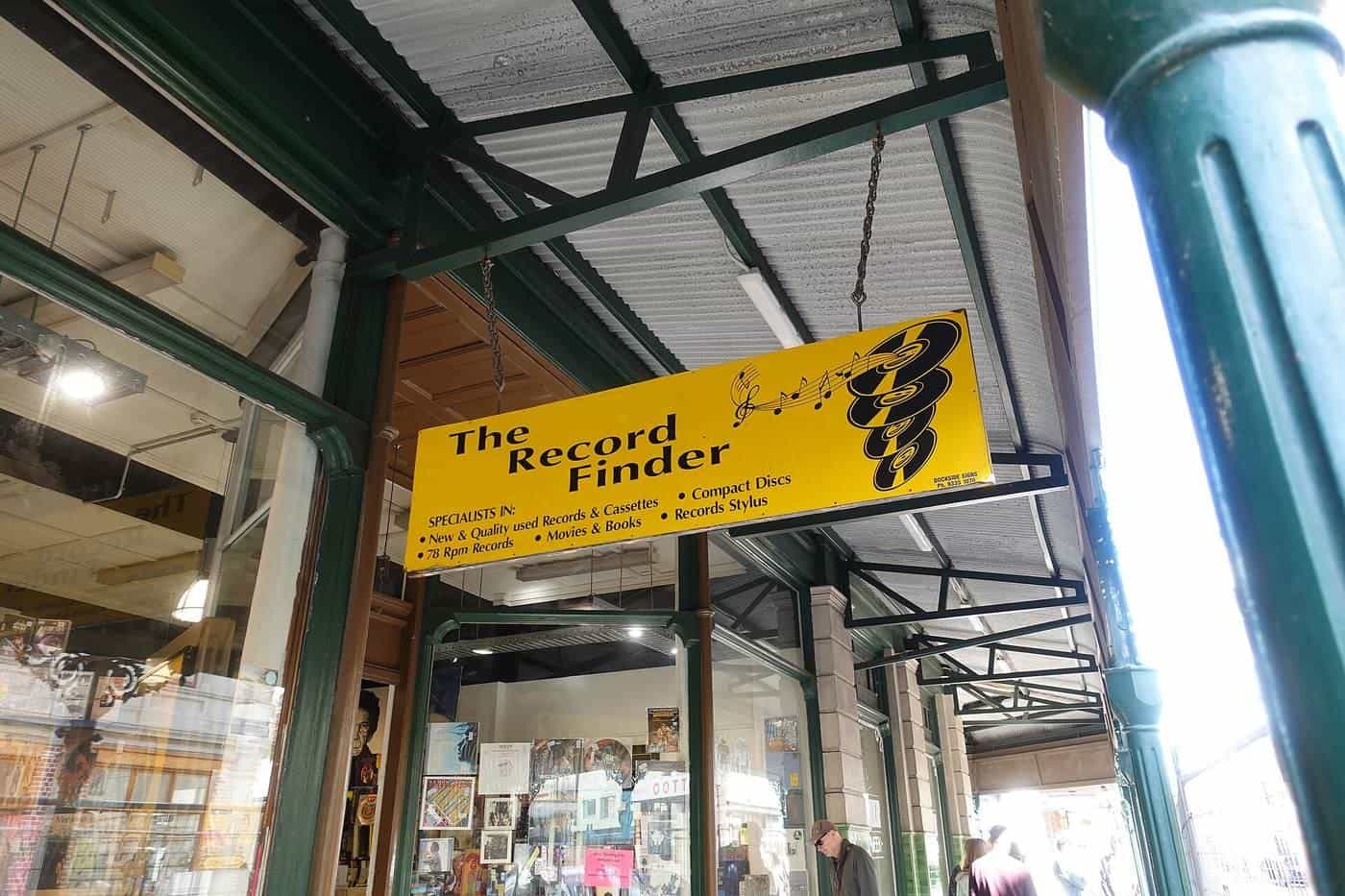
Signs are often the first thing a customer sees of a business, and for many small businesses they're the most important piece of marketing they'll ever buy. A clear, well-made sign in the right place works every hour the business is open. A faded, cluttered or illegal one can do more harm than good. This section explains how to choose materials, design for readability, make the most of windows and walls, and stay within the planning rules.
Guides in this section
- Choosing sign materials: corflute, aluminium composite, acrylic, foam board, metal, timber and fabric compared.
- Banner design basics: short messages, big lettering, contrast, materials, eyelets, wind and event sign rules.
- Window and wall graphics: cut lettering, frosted film, perforated graphics, static clings and wall decals.
- Sign approvals and council rules: exempt signage in NSW, Victoria's clause 52.05, footpaths and heritage areas.
The right material for the job
Short-term and long-term signs need very different materials. Corflute, the corrugated plastic used for real estate and event signs, is cheap and light but flexes and fades. Aluminium composite material is rigid, flat and weather resistant, which is why it's so common on shopfronts. Acrylic gives a premium indoor look; metal and timber suit long-life, safety and heritage signs. Whatever the panel, outdoor graphics need UV-resistant inks and laminates, because Australia's UV levels are high, as ARPANSA notes. Our materials guide compares the options side by side.
Design for a glance
Most signs and banners are read by people on the move. Drivers might have a second or two; pedestrians a little longer. That means a short message, large bold lettering, strong contrast and generous space. Mock up the main words at full size and look at them from the real viewing distance before ordering. Our banner guide explains how to structure a message and hang banners so they survive the wind.
Windows and walls
Glass is prime signage space. Cut vinyl lettering shows your name, hours and contact details; frosted film adds privacy; perforated film turns a window into a billboard while still letting light in; and static clings handle short promotions. Inside walls can carry branding, wayfinding and feature graphics. Our window and wall graphics guide covers each option and how to install it.
Check the rules
Planning rules for signs are set by each state and applied by councils. In NSW, the Advertising and Signage Exempt Development Code lets many common business signs go up without approval if they meet set standards. The Department of Planning's fact sheet explains, for example, that a building with one commercial tenant can have no more than 3 business identification signs as exempt development, that fascia signs can be no more than 2.5 m², and that window signs can cover no more than 20% of the window or 6 m², whichever is smaller. Signs over footpaths need road authority approval. In Victoria, clause 52.05 of the Victoria Planning Provisions sets out when signs need a permit. Our approvals guide explains how to check before you order.
Installation and safety
Signs must be fixed securely; the NSW exempt code requires signage to be fixed in accordance with the relevant Australian Standards. Use fixings suited to the wall and the sign's weight and wind load, keep signs clear of traffic signs and sight lines, and use professionals for large, illuminated or overhead signs.
Plan your stickers too
Many businesses order stickers alongside signs, for packaging, windows or giveaways. Our sticker sheet planner shows how many of a given size fit on a sheet.
A sign checklist
- What must the sign say, in as few words as possible?
- From how far, and how fast, will people read it?
- Indoors or outdoors, and for how long?
- What material and graphics suit that?
- Do you have the land owner's consent?
- Does it need planning or road authority approval?
- Who will install it, and to what standard?
Where to start
If you're opening a new business, start with the approvals guide to understand what's allowed at your premises, then the materials guide to plan your main sign. Add window graphics for hours and contact details, and keep banners for events and promotions.
Temporary versus permanent signage
Most businesses need both. Permanent signs, such as fascias, window lettering and building signs, carry your identity and need durable materials and careful installation. Temporary signs, such as banners, A-frame inserts and window promotions, carry changing messages and suit cheaper, easily replaced materials. Planning both together keeps your look consistent while letting promotions change freely. In NSW, temporary event banners have their own exempt standards, including size limits and timing rules for commercial events.
Review your signage every year or so: replace faded graphics and remove outdated promotions.
Key points
- Match sign materials to location, lifespan and mounting.
- Keep messages short and lettering big with strong contrast.
- Windows and walls offer flexible, removable signage options.
- Check state and council rules; many small signs are exempt if they meet standards.
- Fix signs securely and keep sight lines and traffic signs clear.
Guides in this section
Signs & banners
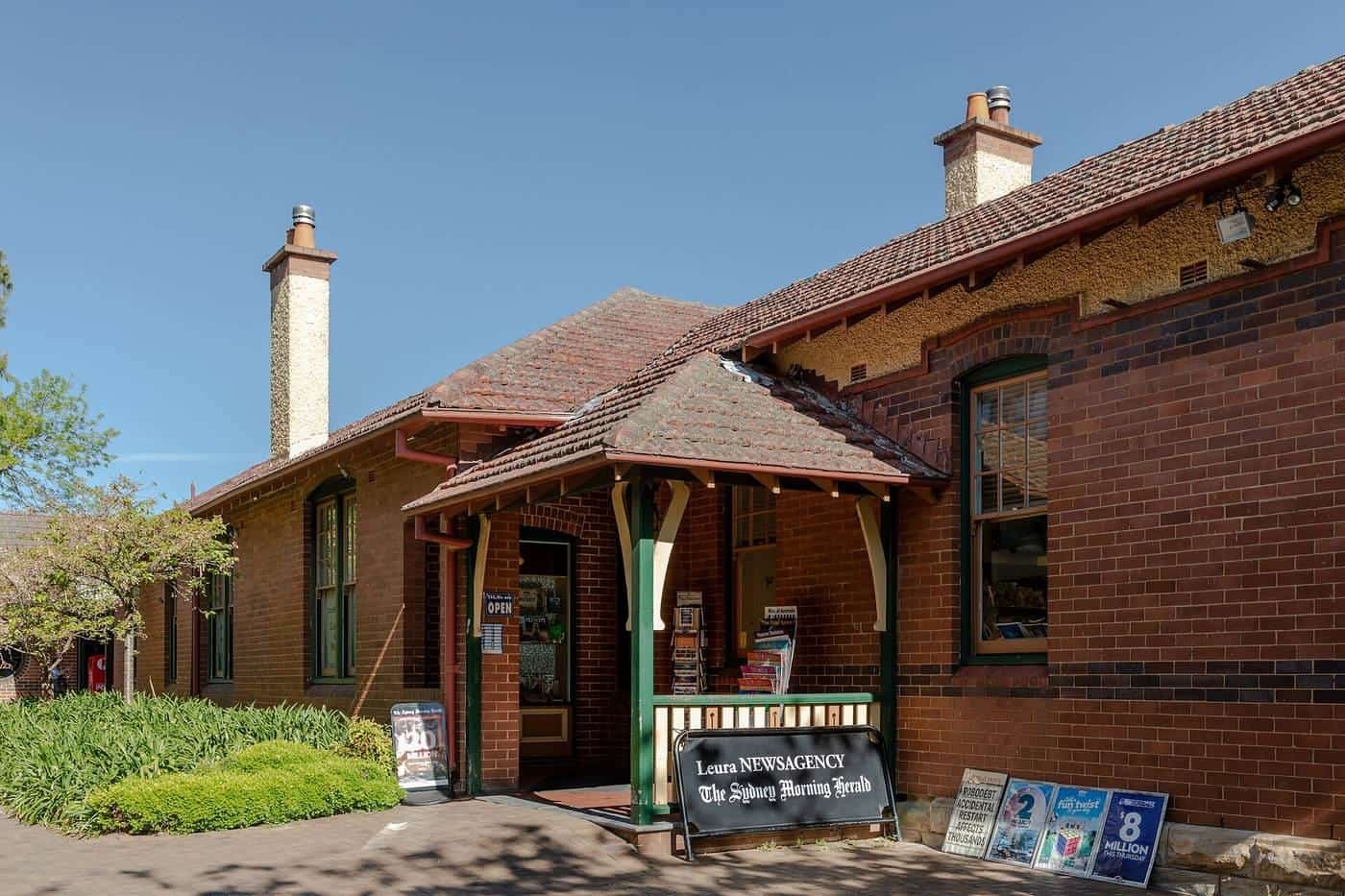
Choosing sign materials
Common sign materials compared: corflute, aluminium composite, acrylic, foam board, metal, timber and fabric, and what each suits.
Read · 5 min
Signs & banners
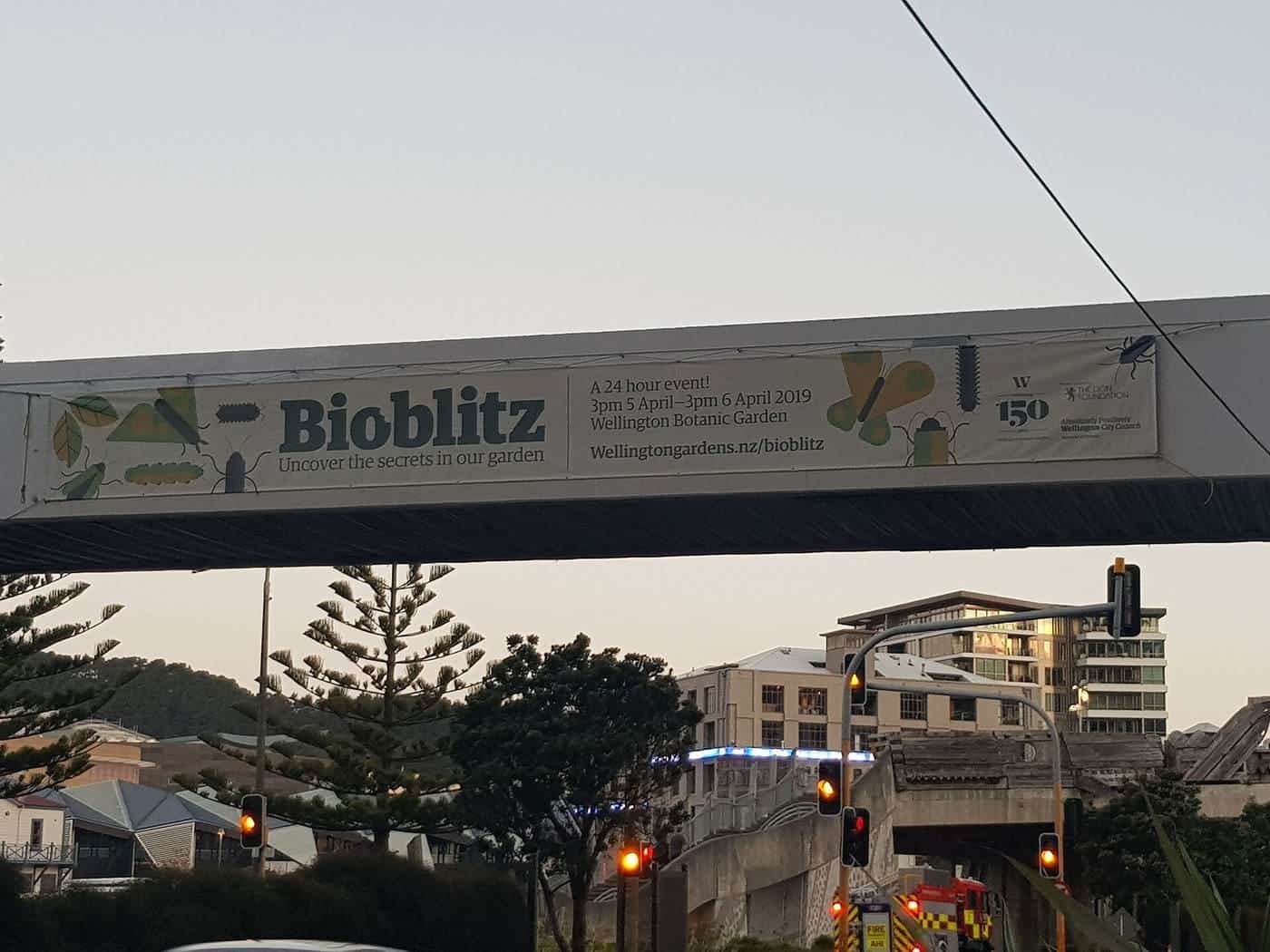
Banner design basics
How to design banners people can read from a distance: message, lettering, contrast, materials, eyelets, wind and event sign rules.
Read · 5 min
Signs & banners
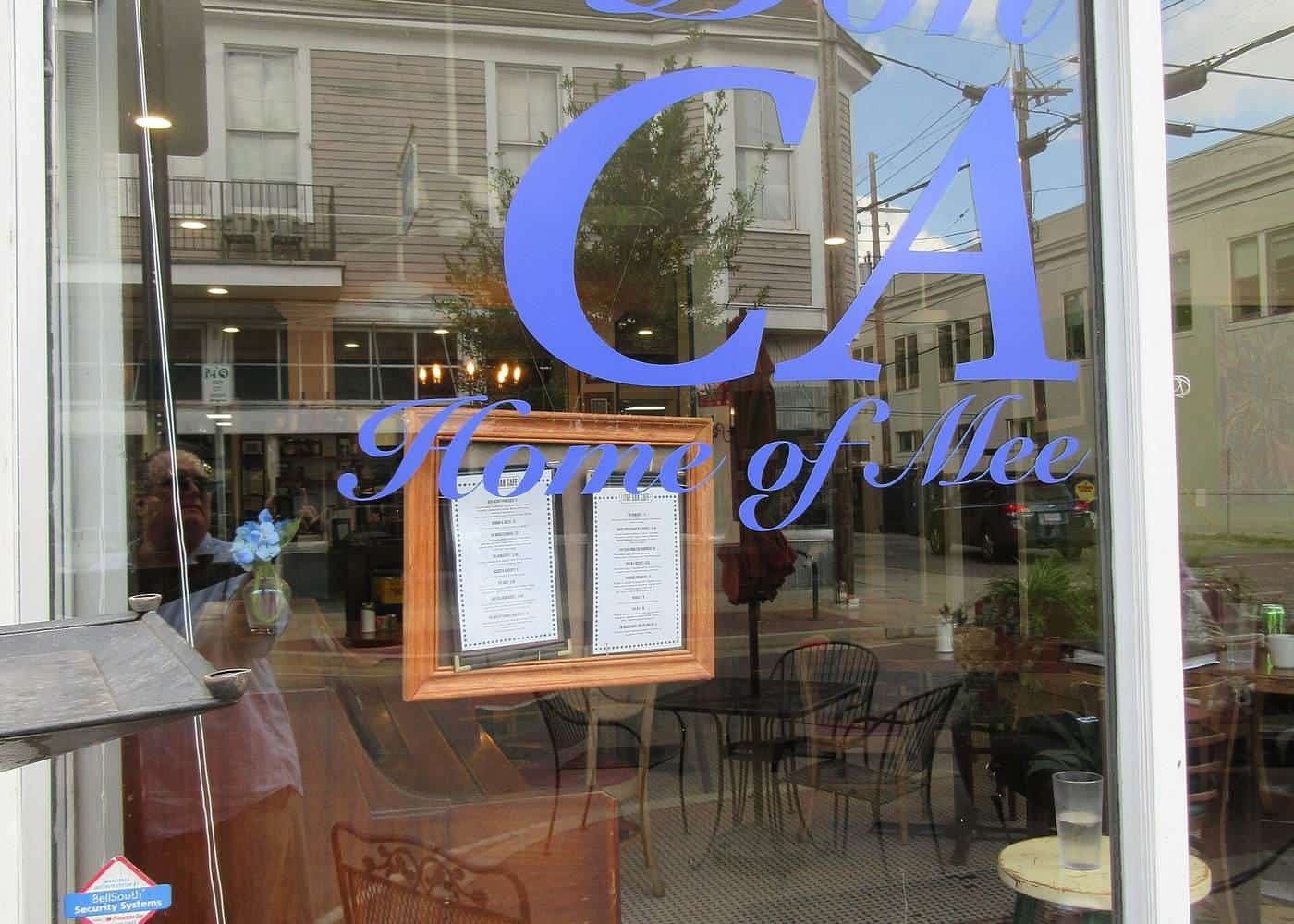
Window and wall graphics
How to use window lettering, frosted film, perforated graphics and wall decals, including installation and NSW window sign limits.
Read · 5 min
Signs & banners
Sign approvals and council rules
When business signs need approval in Australia, using NSW's exempt signage code and Victoria's clause 52.05 as examples.
Read · 5 min
Frequently asked questions
What's the best material for an outdoor business sign?
Aluminium composite material with UV-resistant graphics is a popular long-term choice. Corflute suits temporary signs. The right choice depends on location, lifespan and mounting.
Do business signs need council approval?
Sometimes. Many small business signs in NSW are exempt development if they meet the Advertising and Signage Exempt Development Code standards; others need approval. Rules differ by state.
How much of my shop window can I cover?
In NSW, window signs inside the glass can be exempt if no more than 20% of the window or 6 m², whichever is smaller, and not illuminated. Other rules apply elsewhere.
How do I make a banner readable?
Keep the message short, use large bold lettering with strong contrast, and check a full-size mock-up from the expected viewing distance.
Sources and further reading
Facts on this page were checked against these primary and official sources. Conditions change — confirm before you travel or buy.
- Advertising and signage – rules for exempt and complying development (PDF) — NSW Department of Planning
- Clause 52.05 Signs, Victoria Planning Provisions — Victorian Government
- The sun and UV — ARPANSA