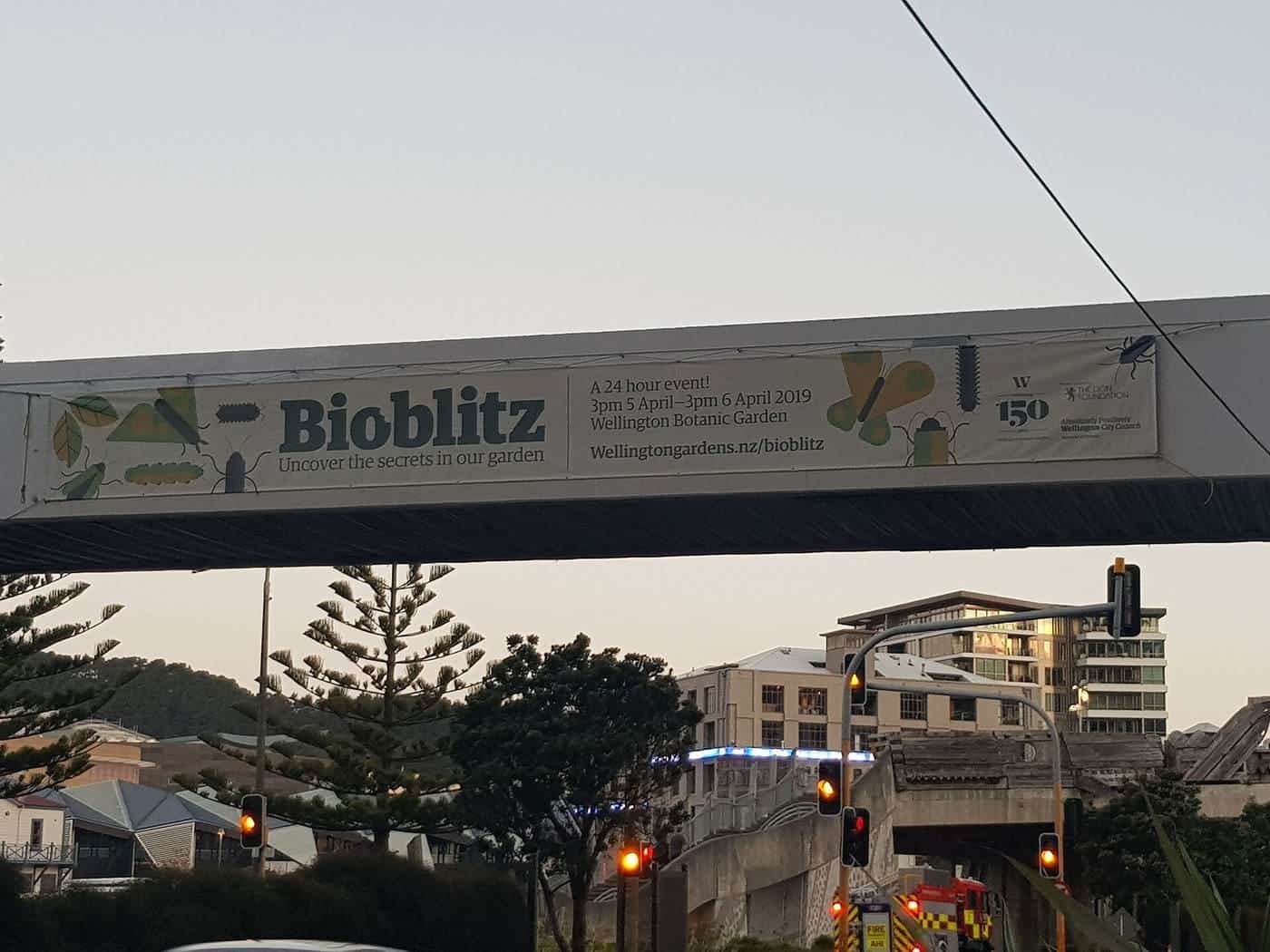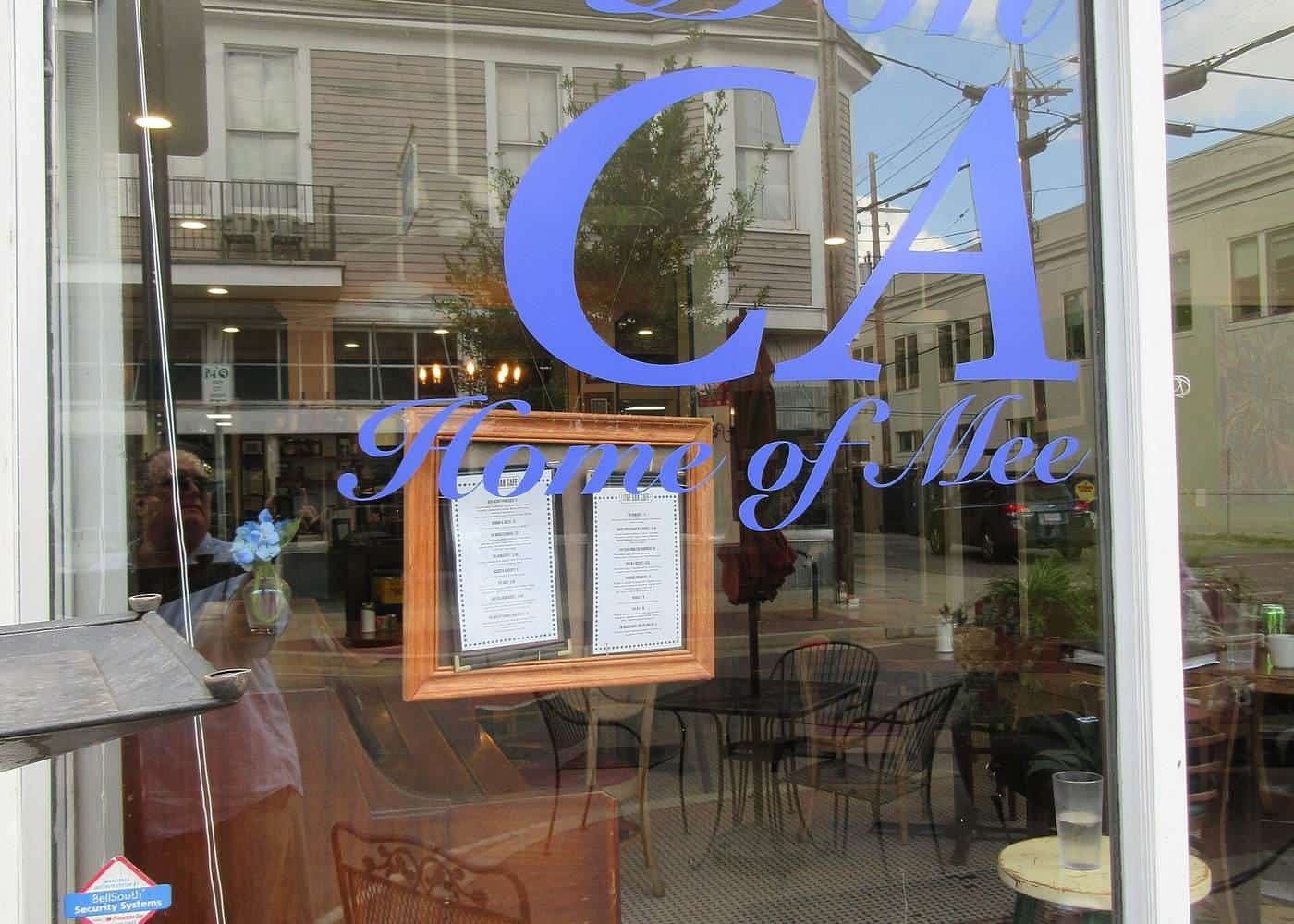
Walk down any Australian high street and you'll see a dozen sign materials: corflute inserts in A-frames, aluminium composite panels on fascias, acrylic letters in foyers, vinyl lettering on windows and fabric banners on fences. Each has a sweet spot. Picking the right one is about where the sign will go, how long it needs to last, how it will be mounted and what impression you want to make. This guide explains the common options.
Corflute
Temporary signs
Light and cheap
ACM
Long-term outdoor
Rigid and flat
Securely fixed
Building signs
To Australian Standards (NSW code)
Questions to ask first
- Indoor or outdoor? Sun, rain, wind and salt air are hard on materials.
- How long must it last? A weekend event, a year-long project, or ten years on a shopfront?
- How will it be mounted? Screwed to a wall, slotted into an A-frame, hung from chains, tied to a fence?
- What size? Larger signs need more rigid materials and stronger fixings.
- What's the budget? Cheaper materials for short-term signs make sense; long-term signs justify better materials.
- Any rules? Planning and safety rules may affect size, location and fixing.
Corflute (corrugated plastic)
Corflute is a lightweight twin-wall plastic sheet that looks like plastic cardboard. It's everywhere in Australia: real estate boards, election signs, event directions, A-frame inserts and builders' site signs.
Pros: inexpensive, light, water resistant, easy to print and cut, easy to install with stakes or cable ties.
Cons: flexes in wind, fades and becomes brittle in prolonged sun, and dents easily. Best for short-term and temporary uses.
Aluminium composite material (ACM)
ACM is a sandwich of two thin aluminium sheets with a plastic or mineral core. It's rigid, flat, light for its strength and weather resistant, which makes it one of the most popular materials for long-term business signs.
Pros: professional finish, durable outdoors, takes printed or vinyl graphics well, can be routed into shapes or folded into trays.
Cons: costs more than corflute; edges need finishing; heavier than plastics. Some building uses have fire performance requirements for materials fixed to buildings, so ask your sign maker or certifier about the product's suitability.
Acrylic
Acrylic (often called Perspex, a trade name) is a clear or coloured rigid plastic. It's used for premium indoor signs, foyer panels, illuminated sign faces, cut letters and display stands.
Pros: glossy, high-end look; can be clear, frosted, coloured or mirrored; can be laser cut into shapes and letters; works with lighting.
Cons: scratches more easily than glass, can crack if over-tightened, and costs more than basic plastics.
Foam board and foam PVC
Foam board (paper-faced foam) is light and cheap, good for indoor displays, presentations and short-term point-of-sale. Foam PVC sheet is more durable and suits indoor signs and some sheltered outdoor uses.
Pros: light and easy to mount; good print quality.
Cons: dents easily; paper-faced foam board is indoor-only.
Metal
Aluminium sheet and steel are used for long-life signs, such as safety and regulatory signs, property names and heritage-style signs.
Pros: very durable; can be painted, printed or vinyl-faced; resists vandalism better than plastics.
Cons: heavier, sharp edges if not finished, steel can rust if the coating is damaged.
Timber
Timber signs suit rural properties, cafés, heritage areas and businesses wanting a natural look. They can be carved, routed, painted or signwritten.
Pros: warm, distinctive look; can suit heritage settings.
Cons: needs sealing and maintenance; can warp, crack or rot if not treated.
Fabric and banner materials
PVC banner material and fabric are flexible, foldable and suit fences, events and temporary promotions. See banner design basics.
Graphics: printed vs cut vinyl vs paint
Whatever the substrate, the graphics on top matter just as much:
- Printed vinyl, laminated, applied to the panel: full colour, photos, gradients.
- Cut vinyl: solid-colour letters and shapes, very durable and crisp.
- Direct print: printing directly onto the panel with flatbed printers.
- Paint: traditional signwriting, valued for heritage and hand-crafted looks.
Australia's high UV levels, as ARPANSA notes, make UV-resistant inks and laminates important for outdoor signs.
Mounting and safety
A sign is only as good as its fixing. NSW's exempt development rules for signage, summarised in the Department of Planning's fact sheet, require all signage to be securely fixed to the building in accordance with the relevant Australian Standards. More generally:
- use fixings suited to the wall material and the sign's weight and wind load;
- have large or overhead signs installed by professionals;
- keep signs clear of traffic signs, sight lines and ventilation outlets;
- check approvals before installing signs over footpaths or roads.
Our guide to sign approvals and council rules explains when approval is needed.
Quick comparison
| Material | Best for | Typical life |
|---|---|---|
| Corflute | Temporary outdoor, A-frames, events | Short term |
| Foam board | Indoor displays | Short term, indoor |
| Foam PVC | Indoor signs, sheltered outdoor | Medium term |
| ACM | Shopfronts, fascias, long-term outdoor | Long term |
| Acrylic | Foyers, premium indoor, lightboxes | Long term (indoor) |
| Aluminium or steel | Safety, property, heritage | Long term |
| Timber | Rural, heritage, cafés | Medium to long, with care |
These are general guides; ask your sign maker about the expected life of the specific product and graphics.
Briefing a sign maker
You'll get better quotes and a better sign if you give the sign maker a clear brief. Include:
- the location, with photos and measurements of the wall, fascia or window;
- how long the sign needs to last, and whether it will face direct sun;
- what it must say, including any licence numbers or legal text;
- your logo files, ideally in vector format;
- any approvals or landlord requirements, such as centre design guidelines;
- mounting details, including what the wall is made of;
- whether you need lighting, and access to power.
Ask each sign maker what material and graphics they recommend and why, the expected life of the graphics outdoors, what's included in the price (design, installation, removal of old signs), and whether they'll handle any approvals. Compare quotes for the same specification.
Maintaining your signs
Signs last longer with a little care:
- clean them gently with mild soapy water and a soft cloth, avoiding abrasive pads and harsh solvents;
- check fixings periodically, especially after storms;
- replace faded or peeling graphics before they make the business look neglected;
- trim back trees and plants that hide the sign;
- for illuminated signs, have an electrician check wiring and replace failed lights.
Thinking about the end of a sign's life
Signs eventually come down when businesses move, rebrand or close. Ask your sign maker how a sign can be removed, whether panels can be re-skinned with new graphics rather than replaced, and how old materials are disposed of. Reusing a sound panel with fresh vinyl is often cheaper and less wasteful than starting again.
Key points
- Match the material to location, lifespan, mounting and budget.
- Corflute suits temporary signs; ACM suits long-term outdoor business signs.
- Acrylic gives a premium indoor look; metal and timber suit long-life and heritage signs.
- UV-resistant graphics and laminates matter in Australian sun.
- Fix signs securely and check approvals before installing.
Frequently asked questions
What is corflute?
Corflute is a lightweight corrugated plastic sheet, widely used in Australia for temporary signs such as real estate, election, event and A-frame signs. It's cheap and weather resistant but not designed for long-term premium signage.
What is ACM?
Aluminium composite material is a sheet with a plastic core sandwiched between two thin aluminium skins. It's rigid, flat, weather resistant and popular for long-term outdoor business signs.
Which sign material lasts longest outdoors?
Metal and aluminium composite signs with quality printed or vinyl graphics generally last longer than corflute or foam board. Lifespan depends on the graphics, laminate, mounting and exposure to sun and weather.
Do sign materials have fire or safety requirements?
Some building applications have fire performance requirements for external cladding and materials. For signs fixed to buildings, check with your sign maker, certifier or council about any requirements that apply.
Does my sign need council approval?
It depends on the sign type, size, location and your state's planning rules. See our guide to sign approvals and council rules.
Sources and further reading
Facts on this page were checked against these primary and official sources. Conditions change — confirm before you travel or buy.
- Advertising and signage – rules for exempt and complying development (PDF) — NSW Department of Planning
- The sun and UV — ARPANSA
- National Construction Code — Australian Building Codes Board