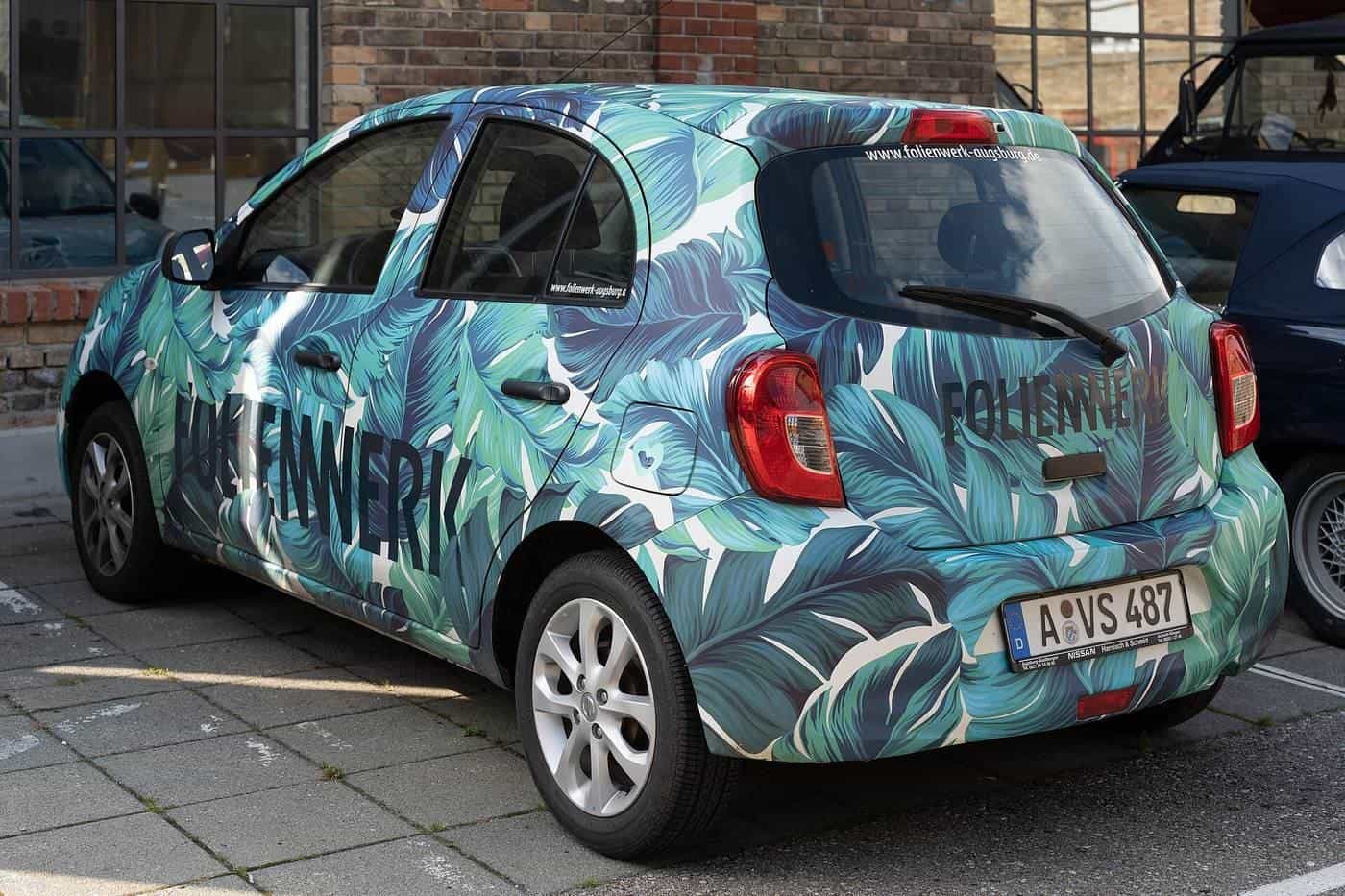
Vinyl is the easiest way to personalise a car, brand a work van, or letter a boat. It's relatively inexpensive, it can look as good as paint, and it can come off again when you sell the vehicle or rebrand. But vehicles are a demanding place for decals: sun, rain, car washes, salt and road grime all test the vinyl, and windows raise legal questions about visibility. This section covers the practical and the legal side.
Guides in this section
- How to apply vinyl decals: surface preparation, the hinge method, wet versus dry application, curves and fixing bubbles.
- Removing decals and stickers safely: gentle heat, plastic tools, residue removers, ghost outlines and glass.
- Car window stickers and the law: the clear-view rule, windscreens, rear windows, number plates and business signage.
- Boat registration numbers and lettering: NSW size and placement rules, marine vinyl and applying lettering to a hull.
Getting a professional-looking result
Most decal problems come from three things: a dirty surface, the wrong conditions and rushing. Clean the surface thoroughly, finishing with isopropyl alcohol, and don't touch it again with bare hands. Work in the shade on a mild day, not on a hot panel in full sun or a cold morning. Mark out the position with masking tape, use a tape hinge to hold the decal straight, and squeegee from the centre outwards. Our application guide walks through each step for both dry and wet methods.
Choosing vinyl for vehicles
Not all vinyl is equal. For vehicles and boats, look for vinyl rated for outdoor and vehicle use. Cast vinyl is thinner and more conformable than calendered vinyl, so it handles curves, rivets and long outdoor exposure better. Printed decals should be laminated to protect the ink from UV, scratches and fuel splashes. Australia has high UV levels, as ARPANSA notes, so durability matters more here than in many countries.
Keeping windows clear
The road rules in each state are based on the national Australian Road Rules. In NSW, rule 297 of the Road Rules 2014 requires a driver to have a clear view of the road and traffic ahead, behind and to each side. Stickers that block that view can lead to fines and, more importantly, can hide pedestrians and cyclists. Keep the windscreen clear, keep front side windows clear near the mirror line, and check your state's rules before fitting perforated graphics to rear windows. Our window sticker guide has a practical placement checklist.
Business vehicles
A signwritten ute or van is a mobile billboard. Keep the message simple and readable at a distance: business name, what you do, and one contact method. Put graphics on body panels rather than windows the driver needs. Make sure any claims are accurate, include licence numbers where your trade rules require them in advertising, and check your lease or finance agreement before applying large graphics. When the time comes to sell, our removal guide explains how to take graphics off with minimal paint damage.
Boats and jet skis
Boats have specific legal marking requirements. The NSW Government says registration numbers must be displayed on both sides of the vessel (or the transom for sailing boats), in solid, clear, uppercase characters contrasting with the hull, well above the waterline, and at least 150 mm high for powerboats or 100 mm for sailing boats and personal watercraft. Other states set their own rules. Our boat lettering guide covers the details and how to choose marine-grade vinyl.
Removing decals
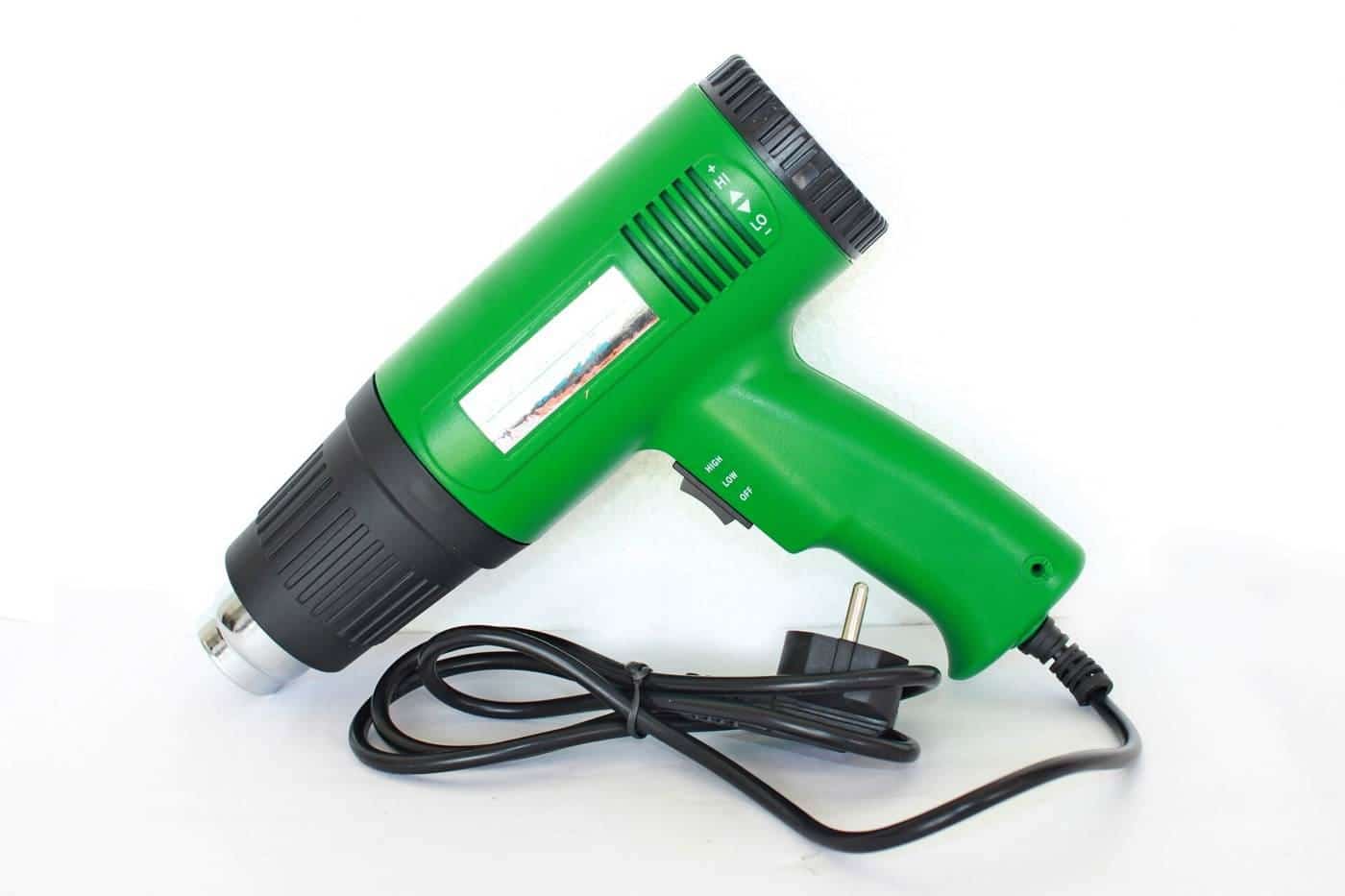
Removing old decals takes patience. Warm the vinyl gently with a hair dryer or heat gun on a low setting, lift an edge with a plastic blade, and peel slowly at a low angle. Use residue removers suited to the surface, test them first, and read the safety data sheet. Safe Work Australia explains that safety data sheets set out a chemical's hazards and safe handling.
Plan your layout
If you're ordering a batch of stickers for a club or business, try our sticker sheet planner to see how many of a given size fit on a sheet.
Common questions before you start
Will a decal damage my paint? Quality vinyl on sound factory paint usually removes cleanly within its rated life. Resprayed or damaged paint is more at risk.
Can I wash my car normally? After the adhesive has had time to bond, yes. Avoid aiming high-pressure jets at decal edges.
Do I need a professional? Not for most decals and lettering. Consider one for full wraps, large fleet graphics, perforated window film and anything on fragile paint.
Before you buy decals
Check the size of the area, the surface type and any rules that apply, and ask the supplier which vinyl they use.
Key points
- Clean thoroughly, work in mild conditions and use the hinge method.
- Choose outdoor-rated, laminated vinyl for vehicles and marine-grade vinyl for boats.
- Keep the driver's view clear; check your state's rules for windows.
- Boat registration numbers have specific size and placement rules.
- Remove decals with gentle heat, patience and plastic tools.
Guides in this section
Vehicle decals
How to apply vinyl decals
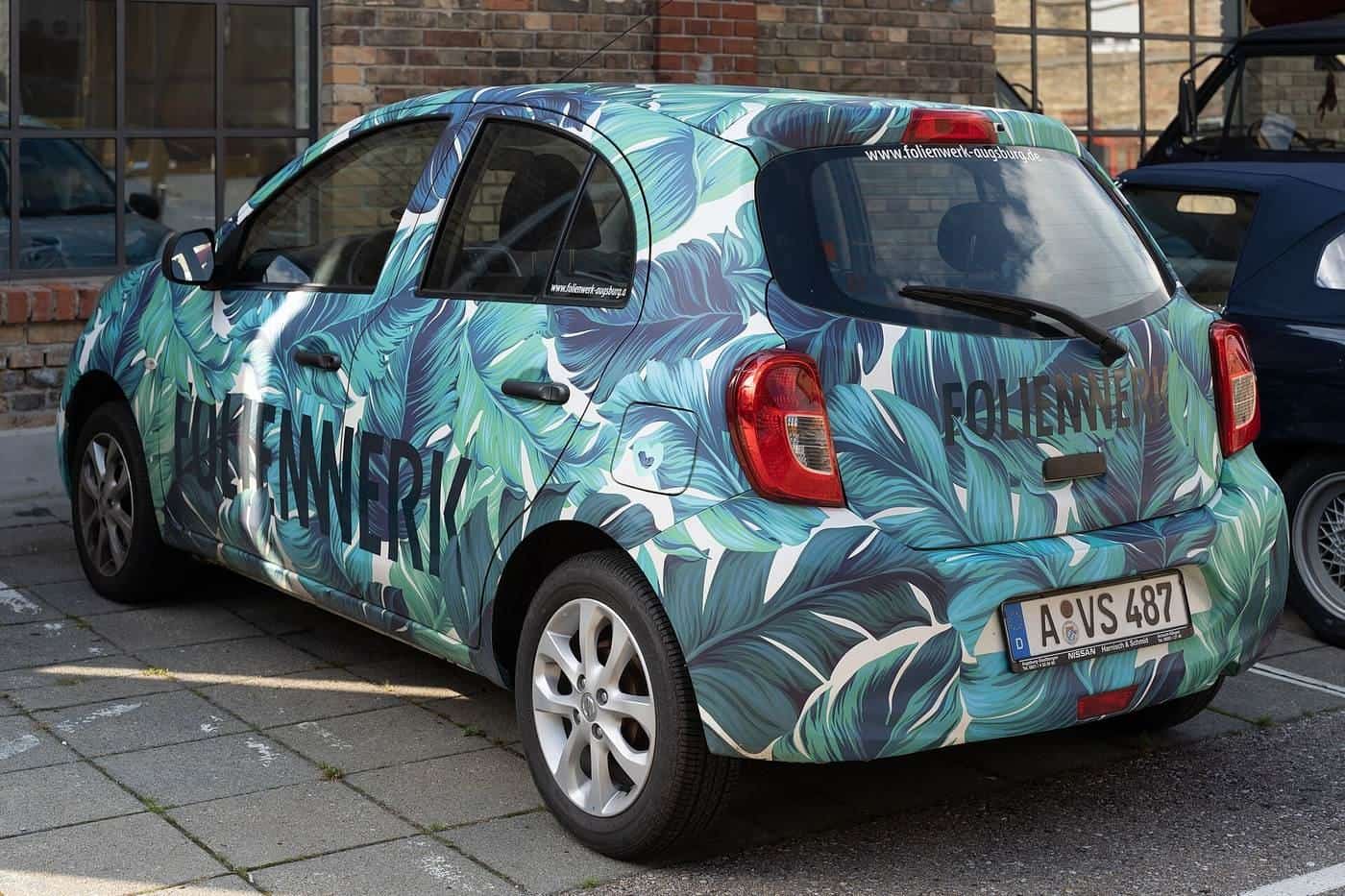
How to apply vinyl decals to cars, windows and walls: surface prep, the hinge method, wet versus dry application and fixing bubbles.
Read · 6 min
Vehicle decals
Removing decals and stickers safely
How to remove old decals, stickers and adhesive residue from car paint, glass and walls safely, with gentle heat and the right tools.
Read · 5 min
Vehicle decals
Car window stickers and the law
What the road rules say about stickers and decals on car windows, why driver visibility matters and where to place graphics.
Read · 5 min

Vehicle decals
Boat registration numbers and lettering
How to display boat registration numbers correctly: NSW size and placement rules, marine vinyl and applying lettering to a hull.
Read · 6 min
Frequently asked questions
Can I apply car decals myself?
Yes, for most decals and lettering. Careful cleaning, mild conditions and the hinge method make a big difference. Full wraps and complex curves are best left to professionals.
Are window stickers legal?
Stickers aren't banned, but the road rules require a clear view of the road and traffic ahead, behind and to each side. In NSW this is rule 297 of the Road Rules 2014.
How do I remove an old decal without damaging paint?
Warm it gently, lift an edge with a plastic blade and peel slowly at a low angle, then remove residue with a product suited to automotive paint.
How big do boat registration numbers need to be?
In NSW, at least 150 mm high on powerboats and 100 mm on sailing boats and personal watercraft. Other states set their own rules.
Sources and further reading
Facts on this page were checked against these primary and official sources. Conditions change — confirm before you travel or buy.
- Road Rules 2014 (NSW) — NSW Legislation
- What to display on your vessel — NSW Government
- Safety data sheets — Safe Work Australia