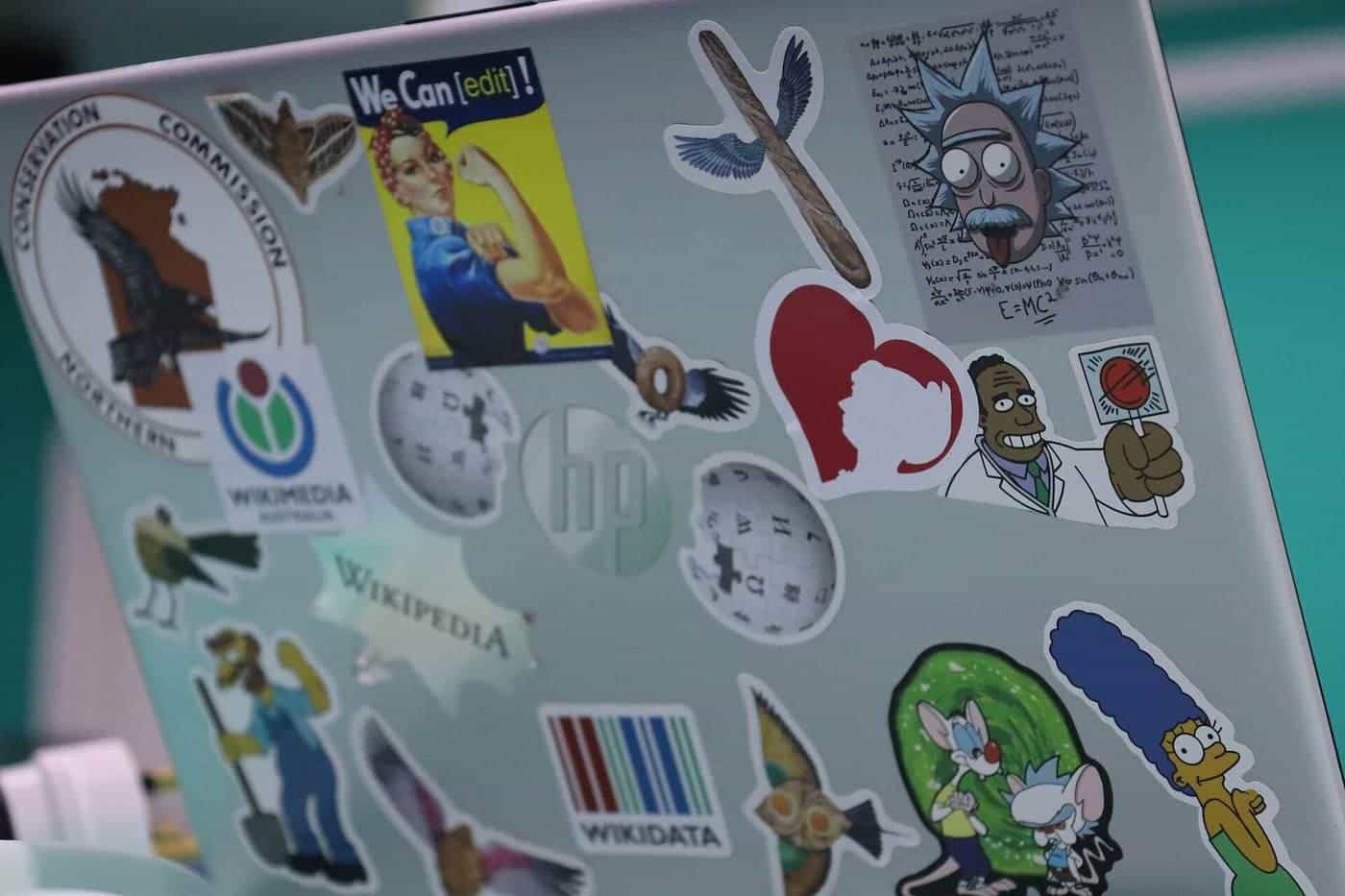
Stickers and labels do an extraordinary range of jobs. They brand products, seal packages, carry legally required information, organise pantries and workshops, promote clubs and causes, and decorate laptops and water bottles. Getting them right comes down to three things: the right material for the conditions, artwork that's designed for print, and, for products, the right information. This section covers all three.
Guides in this section
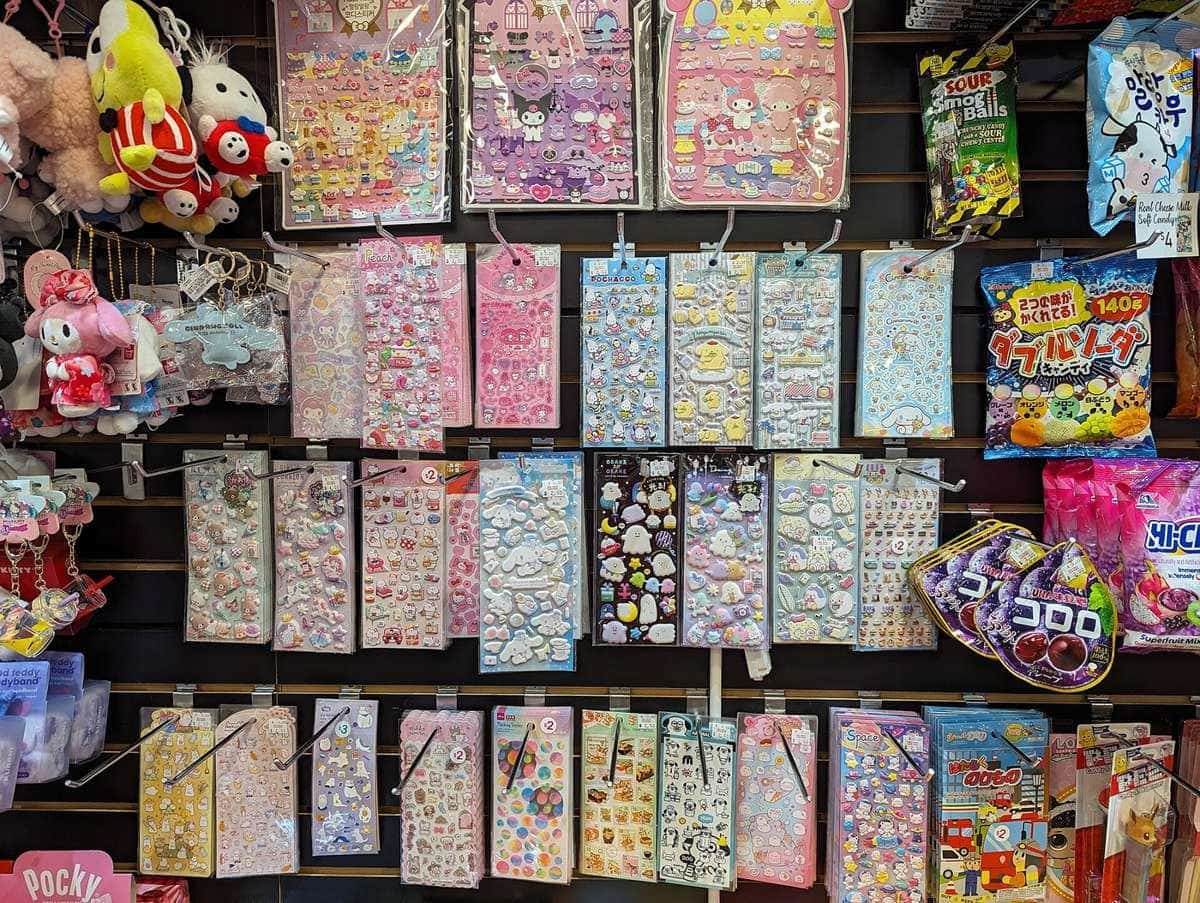
- Vinyl vs paper stickers: face stocks, adhesives, laminates and finishes, and which suits each use.
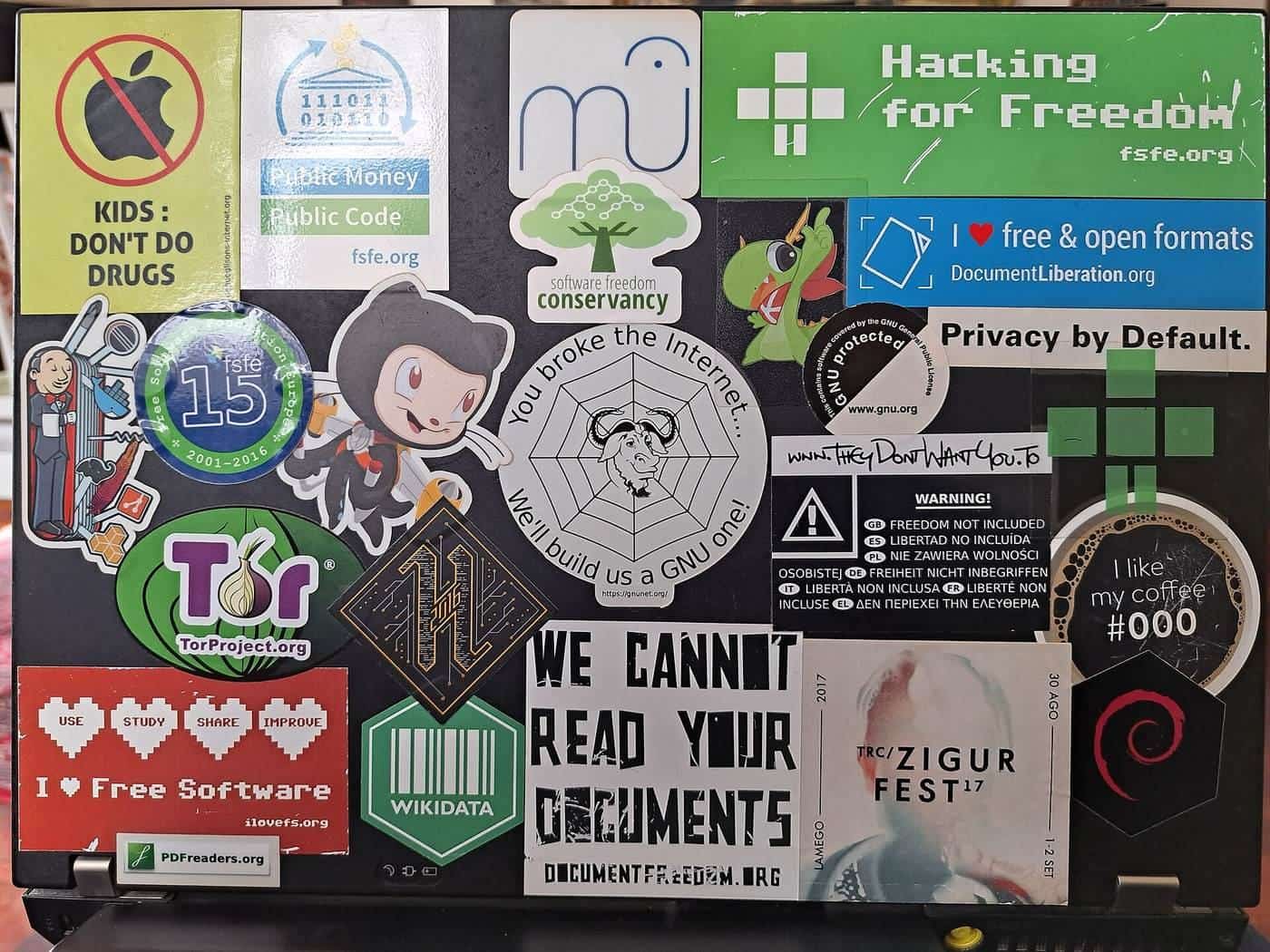
- Designing stickers that work: size, readability, colour, bleed, safe zones, cut lines and file formats.
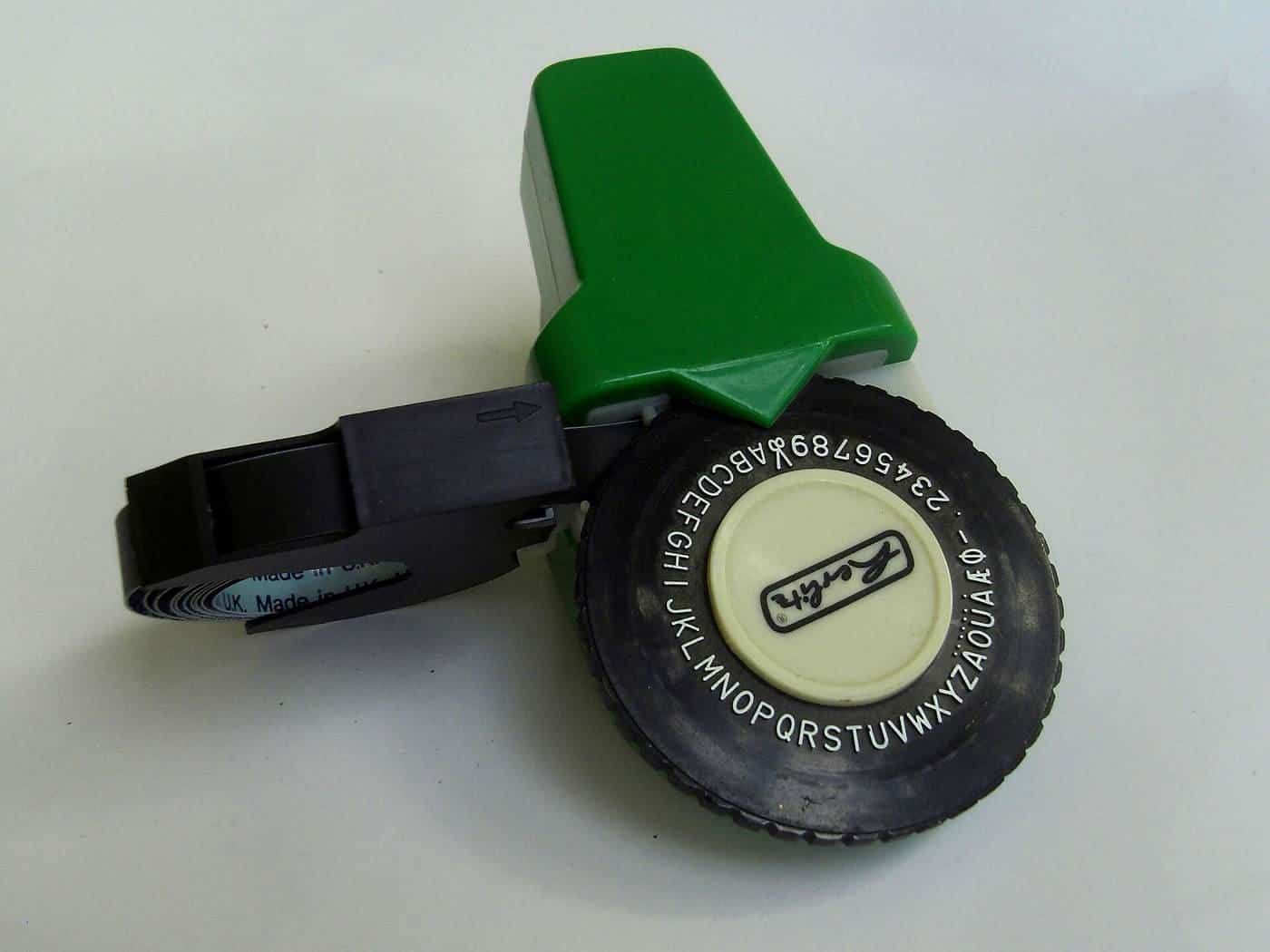
- Printing labels and stickers at home: inkjet versus laser sheets, templates, alignment, cutting machines and label makers.
- Food and product labels for small businesses: Food Standards Code basics, allergens, country of origin and honest claims.
Material first
The material determines how a sticker survives. Paper is inexpensive and easy to write on, but it tears and absorbs water. Vinyl and synthetic films such as polypropylene resist moisture, oil and wear, which makes them right for bottles, outdoor use and anything handled often. The adhesive matters too: permanent, removable, repositionable, freezer-grade or high-tack for tricky surfaces. And for printed stickers, a laminate protects the ink from scratches, moisture and UV. Our materials guide compares the options.
Design for print
A sticker is read in a glance, often at an angle or a distance, so keep the message short, fonts clear and contrast strong. The Australian Government Style Manual's accessibility guidance highlights good colour contrast and not relying on colour alone. On the technical side, printers need artwork with bleed, a safe zone for text and a separate cut line, usually as a print-ready PDF or vector file. Our design guide explains each term and includes a proofing checklist.
Only use images, fonts and logos you have the right to use. IP Australia explains that copyright protects original creative works automatically, and trade marks protect brand names and logos.
Print yourself or use a print shop?
For small, flexible runs, printing at home or in the office works well. Use sheets that match your printer, since inkjet and laser sheets are different, pick the template that matches the sheet's product code, and print at 100% scale. Desktop cutting machines can cut printed stickers into custom shapes. For larger quantities, die-cut shapes at volume, exact brand colours, white ink on clear, special finishes or long outdoor life, a print shop is usually the better choice. Our home printing guide explains both.
Labels that carry legal information
If you sell packaged food, the label isn't just branding. Food Standards Australia New Zealand develops the Food Standards Code, which sets labelling requirements such as the name of the food, ingredients, allergen declarations, date marking and supplier details, with exemptions in some cases. State food regulators enforce it. Many foods also need country of origin labelling. For all products, the ACCC says claims must not be false or misleading, and environmental claims must be able to be substantiated. Our product labels guide gives an overview and points to the regulators.
Plan your sheet
Our free sticker sheet planner works out how many stickers of a given size fit on an A4, A3 or custom sheet with your chosen gap and margin, whether rotating them fits more, and how many sheets you'll need for a run.
Quick tips
- Match the material to the conditions: paper indoors, vinyl or synthetics for moisture and outdoors.
- Laminate printed stickers that will be handled or exposed to sun.
- Mock up stickers at actual size before ordering.
- Ask printers for a sample pack and a proof.
- Check labelling rules before selling food or making product claims.
Where to start
If you're new to stickers, start with the materials guide to understand your options, then read the design guide before creating artwork. If you're making a small batch yourself, the home printing guide covers sheets, templates and alignment. If you're labelling food or products for sale, read the product labels guide before you design anything, so mandatory information is planned in from the start.
Stickers for clubs, schools and events
Stickers are a popular, low-cost way for clubs, schools and community groups to build identity and raise funds. Keep designs simple, choose durable vinyl if they'll go on drink bottles or cars, and get permission before using any logos or mascots that belong to someone else.
Choosing a printer
When you're ready to order, compare a few printers on the same specification: material, adhesive, laminate, size, shape, quantity and turnaround. Ask for a sample pack and a proof, and check what file formats and templates they need. A printer who asks questions about where the sticker will be used is usually a good sign.
Caring for stickers once applied
Most stickers last longer if surfaces are cleaned gently. Hand-wash stickered drink bottles unless the sticker is rated dishwasher safe, and avoid scrubbing printed labels.
Key points
- Material, adhesive and laminate determine how a sticker survives.
- Design for quick reading and set up bleed, safe zones and cut lines.
- Home printing suits small runs; print shops suit volume and special finishes.
- Food labels have legal requirements under the Food Standards Code.
- Product claims must be honest and able to be backed up.
Guides in this section
Stickers & labels
Vinyl vs paper stickers
How vinyl, paper, polypropylene and other sticker materials compare indoors and outdoors, and which suits each use.
Read · 5 min
Stickers & labels
Designing stickers that work
How to design stickers and labels that print well: sizing, readability, colour, bleed, safe zones, cut lines, file formats and checking proofs.
Read · 5 min
Stickers & labels
Printing labels and stickers at home
How to print labels and stickers at home: inkjet vs laser, label sheets, templates, alignment, cutting machines and label makers.
Read · 5 min
Stickers & labels
Food and product labels for small businesses
What small businesses should know about labelling food and products: Food Standards Code basics, allergens, origin and honest claims.
Read · 5 min
Frequently asked questions
What's the most durable sticker material?
For outdoor and wet conditions, vinyl or synthetic films such as polypropylene with a protective laminate are far more durable than paper.
Can I print stickers at home?
Yes, with sticker sheets designed for your printer type. For large runs, custom shapes, special finishes or long outdoor life, a print shop is usually better.
What's bleed in sticker printing?
Extra artwork that extends past the cut line so no white edge appears if the cut is slightly off. Use your printer's template.
Do food labels have legal requirements?
Yes. The Food Standards Code, developed by FSANZ and enforced by state food regulators, sets labelling requirements for many foods.
Sources and further reading
Facts on this page were checked against these primary and official sources. Conditions change — confirm before you travel or buy.
- Food Standards Code — Food Standards Australia New Zealand
- Environmental and sustainability claims — ACCC
- Copyright basics — IP Australia