Bumper stickers, business logos, family stick figures, club decals: Australian cars carry plenty of vinyl. Most of it causes no problems at all. But stickers and graphics on windows can obstruct the driver's view, and that's where the road rules come in. This guide explains the general rule, where decals usually fit sensibly, and where you should check your state's specific vehicle standards. It's general information, not legal advice.
Clear view
The core rule
Ahead, behind, each side
Rule 297
NSW Road Rules 2014
Based on Australian Road Rules
2013
NSW light vehicle rego labels end
Transport for NSW
The general rule: keep a clear view
Each state and territory has road rules based on the national model Australian Road Rules. Among them is a rule about the driver's view. In NSW, rule 297 of the Road Rules 2014 provides that a driver must not drive unless they have proper control of the vehicle and a clear view of the road and traffic ahead, behind and to each side.
The rule isn't specifically about stickers, but stickers, decals, signs and objects that block the driver's view can breach it. The test is practical: can the driver see what they need to see? Police can issue fines where they believe the view is obstructed.
Separately, vehicle standards rules in each state set out what can be fitted to windscreens and windows, including tinting and films. These are more technical and differ between states, so check your state transport agency's guidance before fitting anything significant to a window.
The windscreen
The windscreen is the driver's primary view, so it's the most sensitive place for any sticker. As a general approach:
- keep the area swept by the windscreen wipers, and especially the driver's line of sight, completely clear;
- don't add decorative stickers to the windscreen;
- place necessary items, like toll tags or parking permits, where the issuer recommends, usually near the top centre or behind the mirror;
- remember that hanging objects and phone mounts can also obstruct the view.
Many vehicle standards allow a tinted band at the top of the windscreen, but rules on its depth are specific. Check your state's guidance rather than relying on what other cars have.
Side windows
The front side windows give the driver a view of the side mirrors and of traffic beside the car, so stickers there should be small and positioned so they don't interfere with that view. Rear side windows are generally less critical, but the overall clear-view rule still applies, and window film rules may apply to large graphics.
The rear window
Rear window decals are very common, from small club stickers to full perforated graphics on vans and utes. The key questions are:
- Can the driver still see behind? If a decal blocks the view through the interior mirror, the driver relies on side mirrors. Check what your state requires for mirrors when the rear view is obstructed.
- Is it perforated? One-way vision perforated film lets the driver see out while showing an image from outside, but it reduces visibility, especially at night and in rain. It may be subject to window film rules.
- Does it cover the brake light? Never cover high-mounted brake lights or any other required lights.
Number plates and lights
Don't put stickers, covers or decals over number plates, lights or reflectors. Number plate visibility and lighting requirements are set by each state, and obscuring plates can attract penalties.
Registration labels
Registration stickers used to be the most common windscreen sticker in Australia. Many states have stopped issuing them for light vehicles; NSW stopped issuing registration labels for light vehicles in 2013. Check your state's rules, because some vehicle types or jurisdictions may still use labels.
Business signage on vehicles
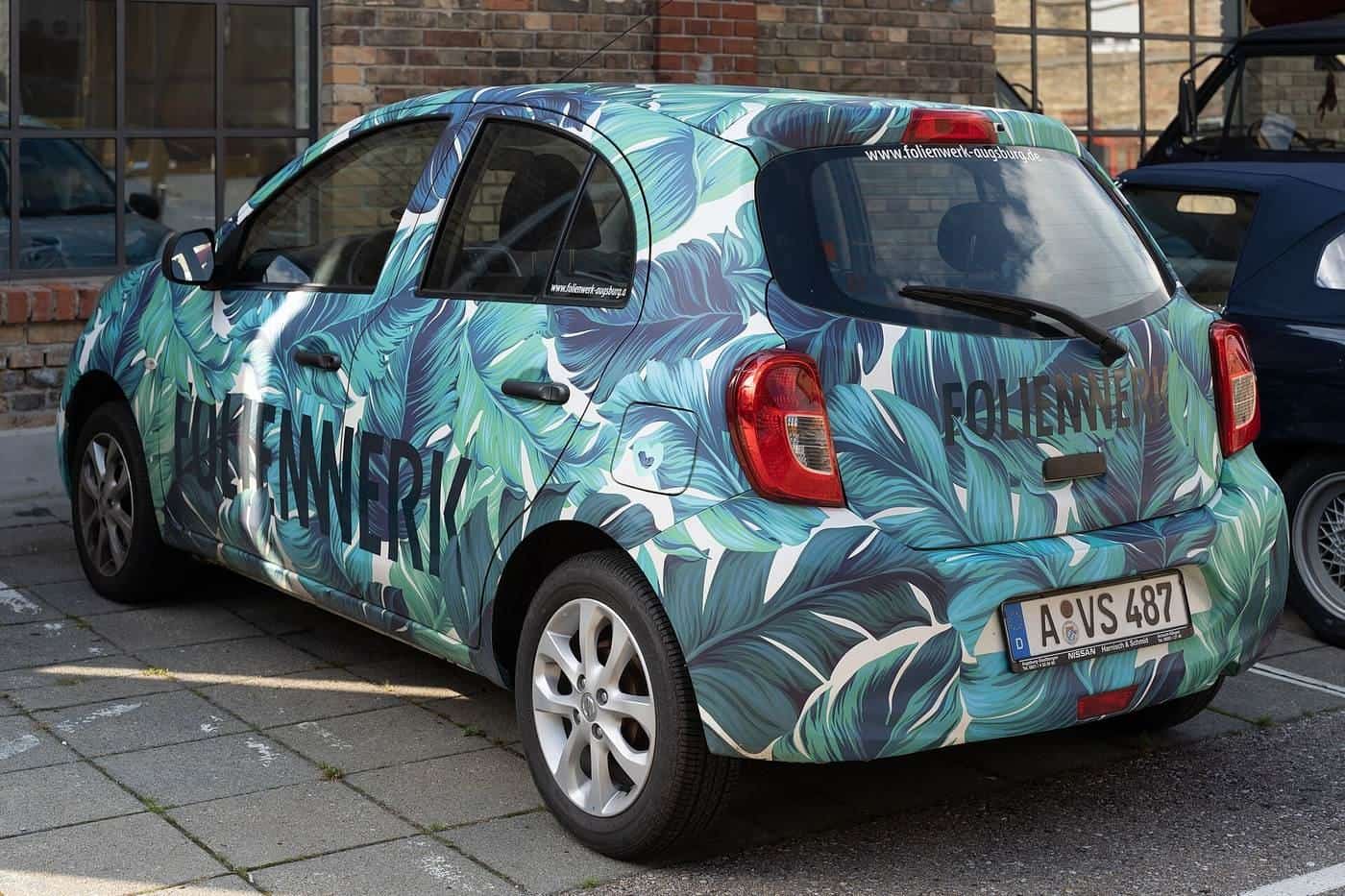
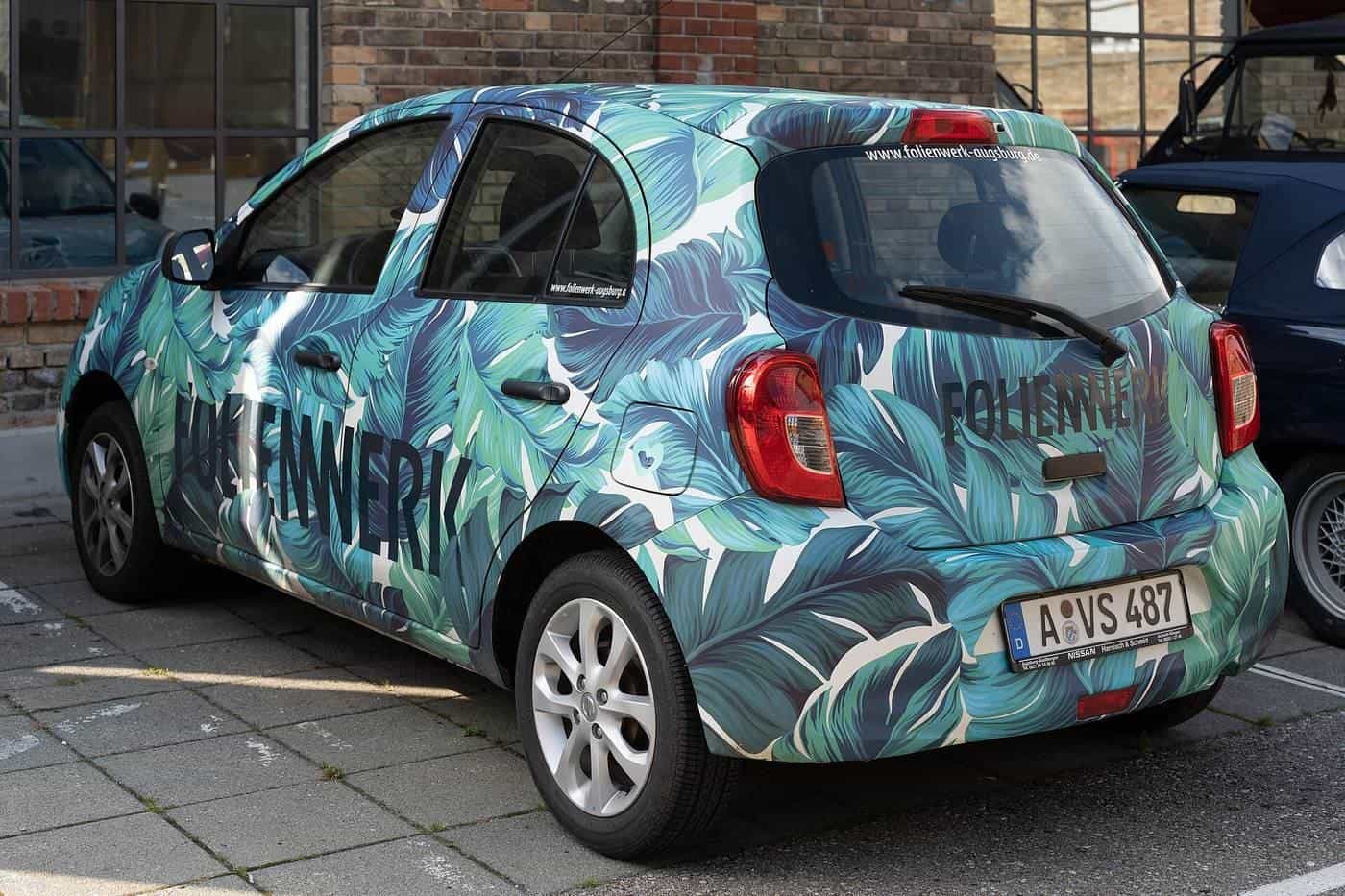
Signwritten utes and vans are mobile advertising. As well as the visibility rules above:
- make sure claims on vehicle signage aren't misleading, just as for any advertising;
- include licence numbers where your trade licensing rules require them on advertising (check your state's requirements);
- keep graphics off windows the driver needs to see through;
- check your vehicle finance or lease agreement and insurance for anything about modifications or signage.
Our applying vinyl decals guide covers how to fit graphics neatly, and removing decals safely explains how to take them off at the end of a lease.
Offensive stickers
Some states have laws allowing authorities to act on vehicles displaying offensive material. Rules and processes vary, so be thoughtful about slogans and images, particularly on vehicles used for business.
Practical placement guide
Common sensible placements include:
- body panels: doors, tailgates and bonnets are ideal for logos and lettering;
- bumpers: traditional bumper stickers, kept clear of sensors and cameras;
- lower corners of the rear window: small stickers that don't block the view;
- rear side windows: small decals, keeping in mind any window film rules.
And places to avoid:
- the driver's view through the windscreen;
- front side windows near the mirror line;
- over lights, reflectors, number plates, cameras and parking sensors.
Check your state's rules
Because road rules and vehicle standards are administered by each state and territory, check your state transport agency's website for the specifics that apply to you, especially for windscreen bands, window films and perforated graphics. If you're fitting graphics to a commercial vehicle fleet, a professional installer familiar with local rules can help.
Why visibility matters
Stickers can create blind spots that hide pedestrians, cyclists, motorcyclists and children. Even if a decal technically passes the rules, ask whether it makes it harder to see. Keeping glass clear is the simplest way to stay safe and avoid fines.
A pre-drive check for new stickers
After fitting any new sticker or decal, sit in the driver's seat and check:
- Can you see clearly through the whole windscreen area you use for driving?
- Can you see both side mirrors without any sticker in the way?
- Can you see behind through the interior mirror, or, if not, are both side mirrors adjusted properly?
- Are all lights, reflectors, cameras and sensors uncovered?
- Are number plates fully visible?
If any answer is no, move or remove the sticker before driving.
Hire cars, leases and fleet vehicles
If the vehicle isn't yours outright, check before applying anything. Rental and lease agreements often restrict modifications, and fleet managers may have approved suppliers and placement standards for company graphics. Removing stickers at the end of a lease without damaging glass or paint takes care; see our removal guide.
Key points
- The road rules require a clear view of the road and traffic ahead, behind and to each side.
- Keep the windscreen, especially the wiper-swept area, clear of stickers.
- Rear window decals are common, but check mirror and window film rules.
- Never cover number plates, lights, reflectors or sensors.
- Check your state transport agency for specific vehicle standards.
Frequently asked questions
Is it illegal to have stickers on my car windows?
Not in itself. The key rule is that the driver must have a clear view of the road and traffic ahead, behind and to each side. In NSW this is rule 297 of the Road Rules 2014, based on the Australian Road Rules. Stickers that block that view can lead to a fine.
Can I put a sticker on my windscreen?
Be very careful. The windscreen is the driver's main view. Keep stickers out of the area swept by the wipers and the driver's line of sight, and check your state's vehicle standards before fitting anything.
Are rear window decals allowed?
Rear window decals are common. Make sure they don't block the driver's view behind, especially if you rely on the interior mirror, and check your state's rules for the vehicle.
Do I still need a rego sticker?
Many states no longer issue registration labels for light vehicles. NSW stopped issuing them for light vehicles in 2013. Check with your state transport agency.
Do window tint rules apply to perforated window graphics?
Window films and graphics can be treated similarly to tint for visibility purposes. Check your state's rules on window films and visible light before fitting perforated graphics to side or rear windows.
Sources and further reading
Facts on this page were checked against these primary and official sources. Conditions change — confirm before you travel or buy.
- Road Rules 2014 (NSW) — NSW Legislation
- Australian Road Rules — Parliamentary Counsel's Committee
- Registration labels — NSW Government