Glass and walls are some of the most valuable advertising and decorating space a business or home has. Vinyl lets you add opening hours to a shop door, a logo on a café window, privacy on a meeting-room wall, or a feature quote above a child's bed, without paint or permanent changes. This guide explains the main types of window and wall graphics, how they're installed and the rules worth checking.
20% or 6 m²
NSW window sign limit
Whichever is smaller (exempt code)
Reverse cut
Inside-glass lettering
Reads correctly outside
Cure first
New paint
Before wall decals
Types of window graphics
Cut vinyl lettering
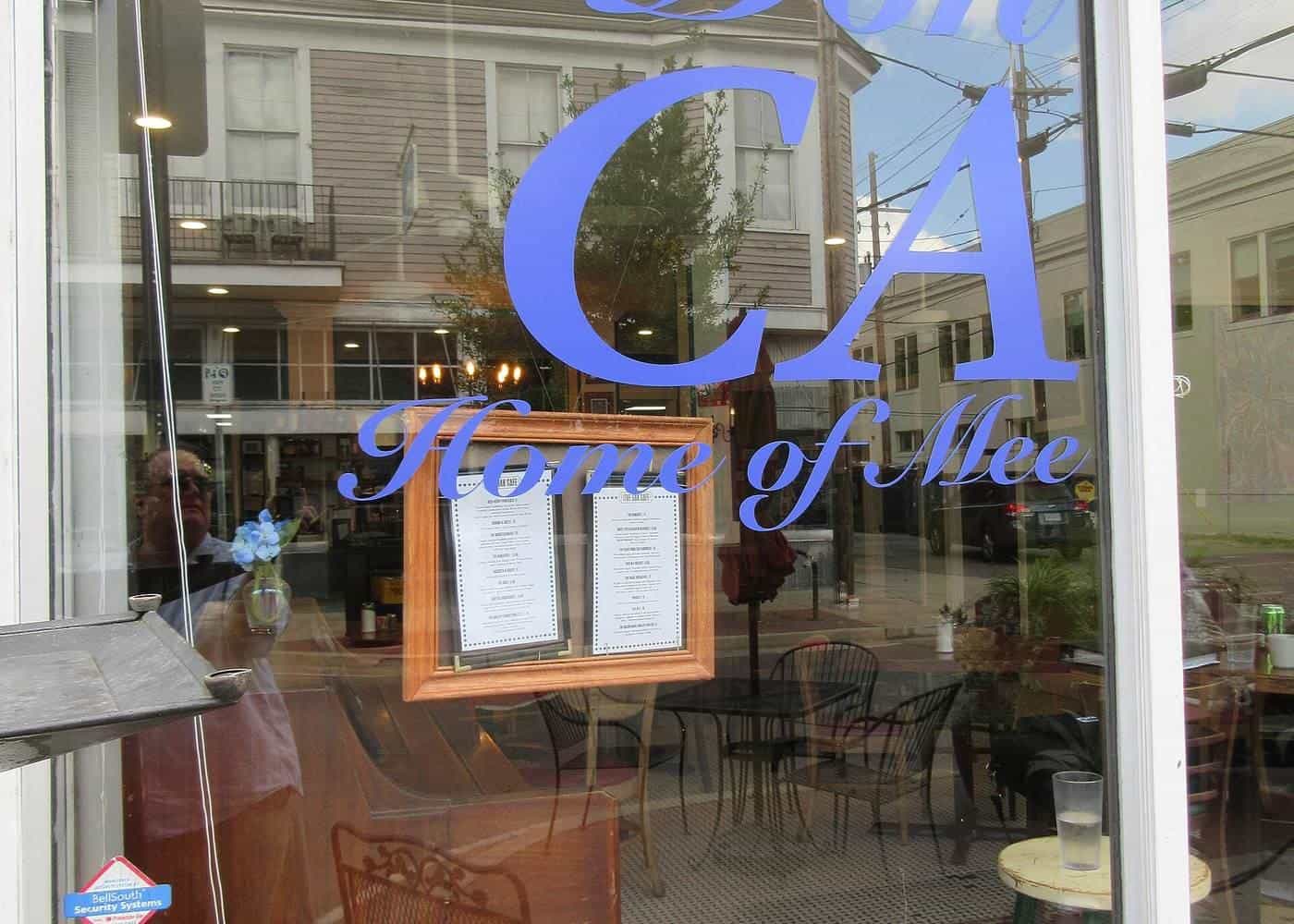
Solid-colour letters and logos cut from vinyl by a plotter. Classic uses include business names, opening hours, phone numbers and websites. It's crisp, durable and leaves the rest of the glass clear.
Printed window graphics
Full-colour images printed on clear or white vinyl. Good for promotions, product images and decorative displays. On clear film, colours look translucent unless a white layer is printed behind them.
Frosted (etched-look) film
Frosted film mimics sandblasted glass. It obscures the view while letting light through, which makes it popular for:
- privacy on office partitions and meeting rooms;
- bathroom windows;
- shopfront bands that hide storage areas.
It can be cut into stripes, patterns or logos, or have clear lettering cut out of it.
Perforated (one-way vision) film
Perforated film is printed on one side and covered in tiny holes. From outside, people see the image; from inside, the view out is reduced but still possible, especially when it's brighter outside. It's used on shop windows and the rear windows of vehicles. It reduces light and visibility, so think carefully before using it on windows where staff need to see out, and check vehicle rules before using it on cars (see car window stickers and the law).
Static clings
Cling films stick to glass without adhesive, so they're easy to move and reuse. Good for short-term promotions and seasonal decorations.
Inside or outside the glass?
- Inside (second surface): protected from weather, cleaning and vandalism, and usually lasts longer. Lettering must be cut in reverse, or printed on a film designed to be read through the glass. Reflections can soften colours slightly.
- Outside (first surface): brighter, crisper colours with no reflections, but exposed to weather, window cleaning and tampering.
Many businesses put long-term lettering inside and short-term promotions outside.
Window signs and planning rules
Signs on windows are signs in planning terms, and limits can apply. The NSW Department of Planning's fact sheet on the Advertising and Signage Exempt Development Code says window signs, meaning business signs on the inside of any window of an existing building, can be exempt development if:
- the sign is no larger than 20% of the window surface or 6 m², whichever is smaller;
- the sign isn't illuminated;
- for a home business, home industry or home occupation, there's only one sign for each premises.
Other states and councils have their own rules, and heritage areas and shopping centres may have extra controls or lease conditions. See sign approvals and council rules.
Safety markings on glass
Large glass doors and panels in some buildings may need visibility markings, often a band of frosting or dots, so people don't walk into them. Building standards set these requirements for certain buildings. If your glass already has safety markings, don't remove or cover them without checking with your building manager or a certifier. Frosted bands can double as decoration and branding.
Installing window graphics
Follow the steps in applying vinyl decals, with these points for glass:
- clean the glass thoroughly with a lint-free cloth and a cleaner that leaves no residue, then wipe with isopropyl alcohol;
- wet application, using a slightly soapy water spray, is common for window films because it lets you slide them into position (check the film allows it);
- squeegee from the centre outwards and work out all water and air;
- trim with a sharp blade against the frame, taking care not to cut seals;
- avoid applying in direct hot sun on the glass.
Wall decals
Wall decals range from simple lettering and quotes to large murals and kids' room characters. Most are made from vinyl with a removable or low-tack adhesive designed for painted walls.
Tips for walls:
- Let new paint cure fully before applying, as solvents in fresh paint can affect adhesion and the paint may lift when the decal is removed. Check the paint maker's guidance.
- Smooth surfaces work best. Heavily textured walls, bricks and some matte or washable paints can stop decals sticking well.
- Clean gently with a damp cloth and let dry.
- Use the hinge method for straight placement.
- Avoid damp areas such as directly above showers unless the product is designed for it.
When it's time for a change, warm the decal gently with a hair dryer and peel slowly at a low angle. See removing decals safely.
Durability
Window graphics facing strong sun fade faster, and Australia's UV levels are high, as ARPANSA notes. Ask for UV-resistant inks and laminates for printed graphics, and choose quality vinyl for long-term lettering.
Planning window graphics for a shopfront
A good shopfront balances information, branding and visibility into the store. A practical approach:
- Start with essentials: business name, opening hours and how to contact you, placed at eye level near the door.
- Add branding: a logo or name panel that can be read from across the street.
- Keep views open: customers like to see inside, and staff need to see out. Avoid covering whole windows unless there's a reason.
- Use frosting for privacy where needed, such as screening a storeroom or office.
- Plan promotions separately: use static clings or removable vinyl for short-term offers so they're easy to change.
- Check limits: in NSW, exempt window signs must stay within 20% of the window or 6 m², whichever is smaller.
Maintenance
Clean window graphics gently with a soft cloth and mild soapy water. Avoid scraping tools near edges and ask window cleaners to take care around vinyl. Replace faded or peeling graphics promptly, because tired signage reflects on the business.
Graphics for homes
At home, vinyl offers renter-friendly decoration and privacy. Frosted film on a bathroom or street-facing window adds privacy without curtains, and wall decals can add a feature to a child's room or a quote in a hallway. If you rent, check your lease and choose removable products, and test removal on a small hidden area first. Static clings are ideal for seasonal decorations because they leave no adhesive.
Key points
- Cut lettering, printed graphics, frosted film, perforated film and clings each suit different uses.
- Inside-glass graphics last longer; lettering must be reversed or read-through.
- NSW window signs can be exempt if no more than 20% of the window or 6 m², and not illuminated.
- Don't cover required safety markings on glass.
- Let new paint cure before applying wall decals.
Frequently asked questions
Should window lettering go inside or outside the glass?
Inside is protected from weather and vandalism and is easier to maintain. Outside gives crisper colour without reflections. Lettering applied inside must be cut in reverse, or printed on a clear film made to be read through the glass.
What is frosted window film?
An etched-glass-look vinyl that obscures the view while letting light through. It's used for privacy on office glass, bathrooms and shopfronts, and can be cut into patterns or logos.
Are there limits on window signs?
In NSW, window signs on the inside of an existing building can be exempt development if they're no more than 20% of the window surface or 6 m², whichever is smaller, and aren't illuminated. Other rules apply elsewhere.
Will wall decals damage paint?
Wall decals designed for walls usually remove cleanly if you warm them and peel slowly, but fresh or poorly prepared paint can lift. Let new paint cure fully before applying decals.
Do glass doors need markings?
Safety markings on glazing in some buildings may be required by building standards. Check with your building manager or a certifier before removing or covering existing markings.
Sources and further reading
Facts on this page were checked against these primary and official sources. Conditions change — confirm before you travel or buy.
- Advertising and signage – rules for exempt and complying development (PDF) — NSW Department of Planning
- National Construction Code — Australian Building Codes Board
- The sun and UV — ARPANSA